Electrical Safety Checks: What Landlords Need to Know Before Winter
Electrical Safety Checks: What Landlords Need to Know Before Winter
Every winter, electrical systems in rental properties get pushed harder than at any other point in the year. Heaters go on, lights are used for longer, kettles and ovens run more, and in older properties across Croydon and the wider South London area, that increased load is exactly when a marginal wiring issue or an ageing fuse board stops being marginal and starts being a genuine problem. I've seen tripped circuits, scorched sockets, and in a couple of memorable cases, actual fires, all traced back to something that had been quietly deteriorating for years and finally got tipped over the edge by winter demand.
Electrical safety isn't the most exciting part of running a rental property, and it's often the part landlords put off because nothing seems visibly wrong. But it's also one of the areas where the law is unambiguous, the consequences of getting it wrong are serious, and the cost of staying on top of it properly is small compared to almost anything else covered in this checklist. It's also worth saying plainly that this isn't an area where a landlord's own judgement, however experienced, is a substitute for a qualified electrician's assessment. Wiring faults don't always look the way people expect, and the properties that come to real harm are rarely the ones where someone was being careless, more often they're ones where a genuinely capable landlord simply didn't have visibility of a problem that was never going to announce itself. Here's what actually matters, and what I'd be doing before the weather turns if I were managing your properties.
Why winter is when electrical problems surface
Most electrical faults don't appear out of nowhere. They build slowly, a slightly loose connection here, a socket that's been mildly overloaded for months, insulation on a cable that's degraded just enough to matter. Under normal, moderate use, these issues can sit there for a long time without causing a visible problem.
Winter changes that. Portable heaters get plugged in, often into extension leads that weren't designed for that kind of load. Lights are on for longer hours. More appliances run simultaneously as people spend more time indoors. That additional demand is what turns a latent fault into a tripped circuit, a scorched socket, or worse. This is exactly why autumn, before the heaviest demand starts, is the right time to get an electrical system properly checked rather than waiting until something actually fails.
The legal requirement you can't skip: EICR
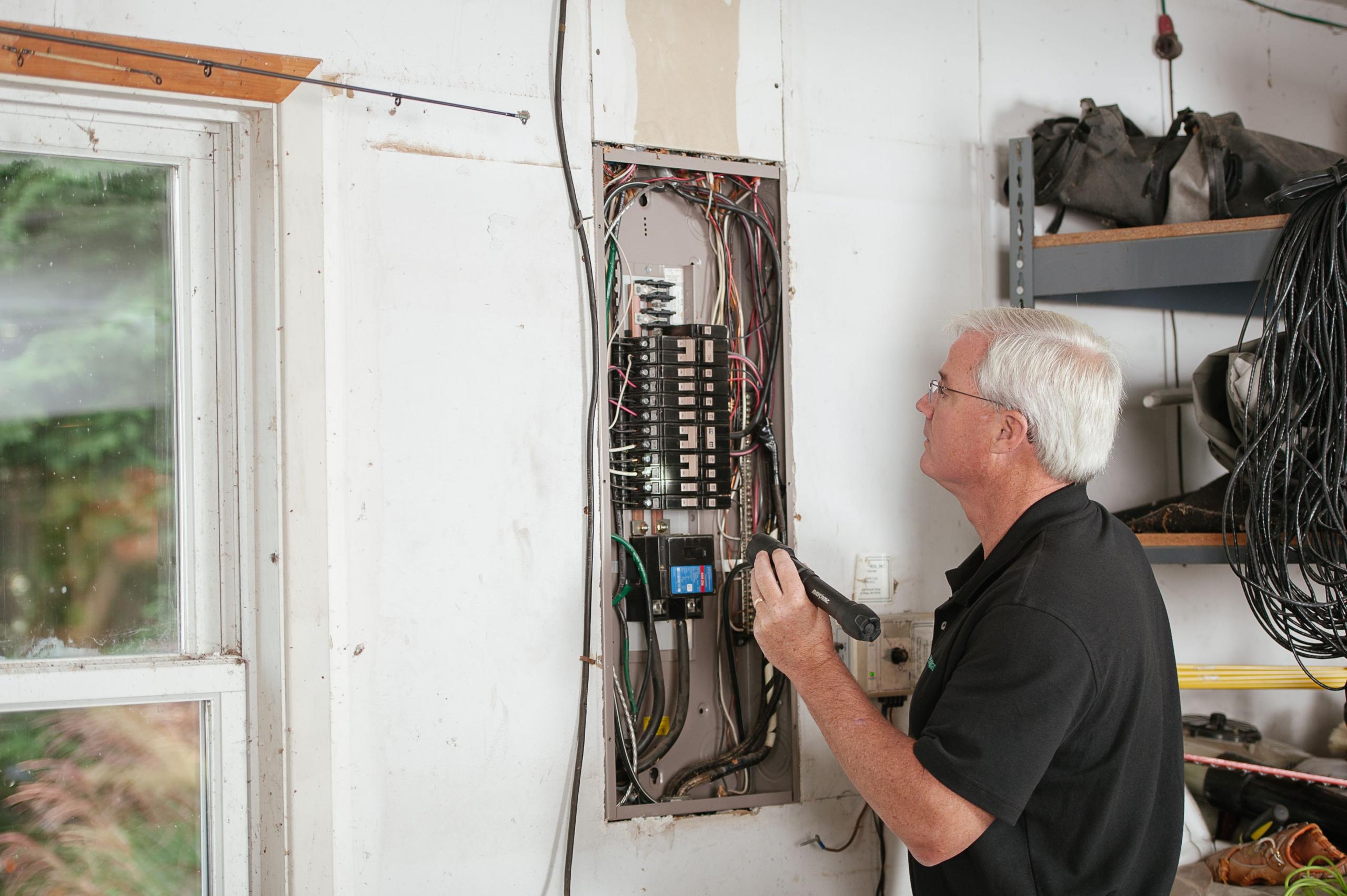
Since mandatory rules came into force for privately rented properties in England, landlords have been required to have an Electrical Installation Condition Report, usually shortened to EICR, carried out at least every five years, or sooner if a previous report specifies an earlier date. This isn't a box-ticking formality. A qualified electrician inspects the fixed wiring, consumer unit, sockets, and general electrical installation, and issues a report classifying any issues found. Anything classified as needing remedial work has to be fixed within a set period, and you're required to provide evidence of that work being completed.
If you're not sure when your last EICR was carried out, or whether one has ever been done for a particular property, this is worth checking immediately rather than waiting for winter. If a report is close to expiring, get the renewal booked well ahead of time. Electricians get busier as the weather turns and more people start noticing electrical issues, and you don't want to be trying to book an inspection in December when demand is highest and availability is lowest.
Keep copies of every EICR issued for each property, along with evidence of any remedial work completed. If a tenant, letting agent, or local authority ever asks for this documentation, and they're entitled to, you want to be able to produce it without a scramble.
What the inspection actually covers
An EICR isn't just a glance at the fuse board. A thorough inspection covers the condition of the wiring throughout the property, the state of the consumer unit itself, whether circuits are adequately protected, earthing and bonding arrangements, and the condition of sockets, switches, and light fittings. In older properties, and there are plenty of these across South London with wiring dating back decades, this is where problems most commonly show up: undersized cabling for modern electrical demand, old fuse boards without modern circuit breakers, and earthing arrangements that don't meet current standards.
If a property has had any electrical work done since the last inspection, extensions, rewiring, new circuits for things like electric showers or cookers, this should all be checked as part of the process too, since work carried out by an unqualified person or without proper certification is a common source of problems that only get caught at inspection.
Portable Appliance Testing, and when it applies
If you let a property furnished, or you supply any electrical appliances as the landlord, kettles, toasters, lamps, washing machines, this equipment falls under a slightly different but related area of responsibility. While Portable Appliance Testing, or PAT testing, isn't a strict legal requirement in the same way an EICR is, you do have a general duty to ensure electrical appliances you provide are safe, and PAT testing is the recognised way of demonstrating that.
For furnished properties, particularly HMOs or anything let to multiple tenants, I'd treat this as a matter of good practice rather than something to skip because it's not strictly mandated. It's inexpensive, it's quick for an electrician to do alongside other checks, and it removes any ambiguity about whether an appliance you supplied was in safe condition if anything were ever to go wrong.
Common faults that show up specifically in winter
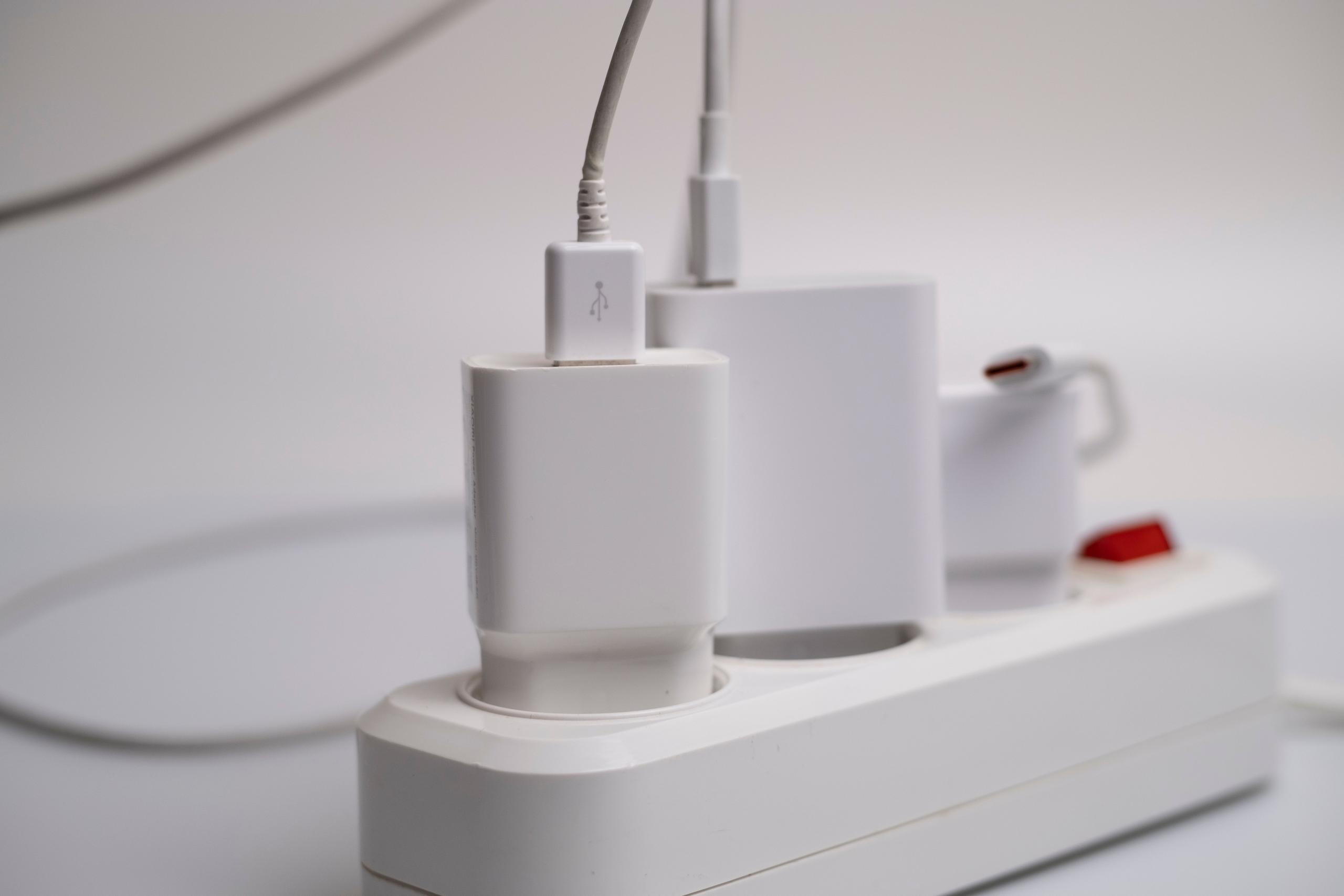
A few patterns come up repeatedly once the colder months start. Overloaded sockets are probably the most frequent, particularly where a single socket is being used for a portable heater, a lamp, and a phone charger simultaneously through a multi-socket adaptor. This kind of setup is common in properties without enough sockets in bedrooms or living rooms, and it's worth checking whether a property actually has adequate socket provision for how it's realistically being used in winter, rather than assuming tenants will manage with what's there.
Extension leads are another recurring issue, particularly cheap or ageing ones being used to power heaters, which draw considerably more current than the lead or the socket behind it may be rated for. If you're aware tenants are relying on extension leads for heating, it's worth having a conversation about whether additional sockets would solve the underlying problem rather than just working around it.
Older fuse boards without modern circuit protection are a genuine winter risk in properties that haven't been rewired for some time. Where an EICR flags an outdated consumer unit, even if it's not an immediate emergency, I'd treat replacing it as a priority rather than deferring it, since this is exactly the kind of component that's under the most strain during winter's heaviest electrical demand.
Outdoor electrics and exterior lighting

If a property has outdoor lighting, an external socket, or anything electrical serving a garden, yard, or communal area, this needs the same level of attention as the interior. Outdoor electrical fittings are exposed to far more moisture and temperature variation than anything indoors, and a fitting that's been fine all summer can develop a fault once autumn rain and dropping temperatures start affecting it.
Check that outdoor sockets are properly weatherproofed and that any exterior lighting is functioning correctly and safely mounted. This matters particularly for shared entrances, communal stairwells, and parking areas in blocks and converted properties, where poor exterior lighting is also a safety and security issue beyond the purely electrical one.
Understanding where tenant responsibility ends and yours begins
Tenants are generally responsible for using appliances they bring into the property safely and for reporting any electrical issues promptly, but the fixed electrical installation, the wiring, consumer unit, sockets, and switches, is squarely the landlord's responsibility to maintain in safe condition. This distinction matters because it shapes how you should respond when a tenant reports something.
If a tenant mentions a socket that feels warm, a light that flickers, or a circuit that trips repeatedly, this should be treated the same way you'd treat a report of no heating: promptly, and by someone qualified, not dismissed as the tenant's own appliance being faulty without checking. Electrical issues are one of the few categories where a wait-and-see approach carries genuinely serious risk, and it's not an area to be relaxed about even if the tenant's initial description sounds minor.
A few misconceptions worth clearing up
A handful of misunderstandings come up regularly enough that they're worth addressing directly. The first is the belief that if a property "seems fine," with no obvious flickering lights or tripped circuits, the electrics must be safe. Many of the faults an EICR catches are entirely invisible in day-to-day use, degraded insulation on cabling inside a wall, or an earthing arrangement that doesn't meet current standards, don't announce themselves until something goes wrong, by which point the situation is considerably more serious than a scheduled inspection would have been.
The second is assuming a new-build or recently renovated property doesn't need the same attention as an older one. New properties still require an EICR on the same five-year cycle, and while the base risk may be lower, poor workmanship during a renovation, or additions like extra sockets and circuits added after the fact without proper certification, are a genuine source of faults in newer properties too.
The third is treating the EICR as something to fit in whenever convenient, rather than something to schedule with real lead time. Remedial work identified in a report, particularly anything classified as needing urgent attention, has to be addressed within a defined period. Leaving the inspection until close to a deadline, or until a tenancy is already underway with a difficult-to-coordinate access schedule, makes this much harder to manage than doing it with plenty of notice.
Electrical safety in HMOs and shared properties
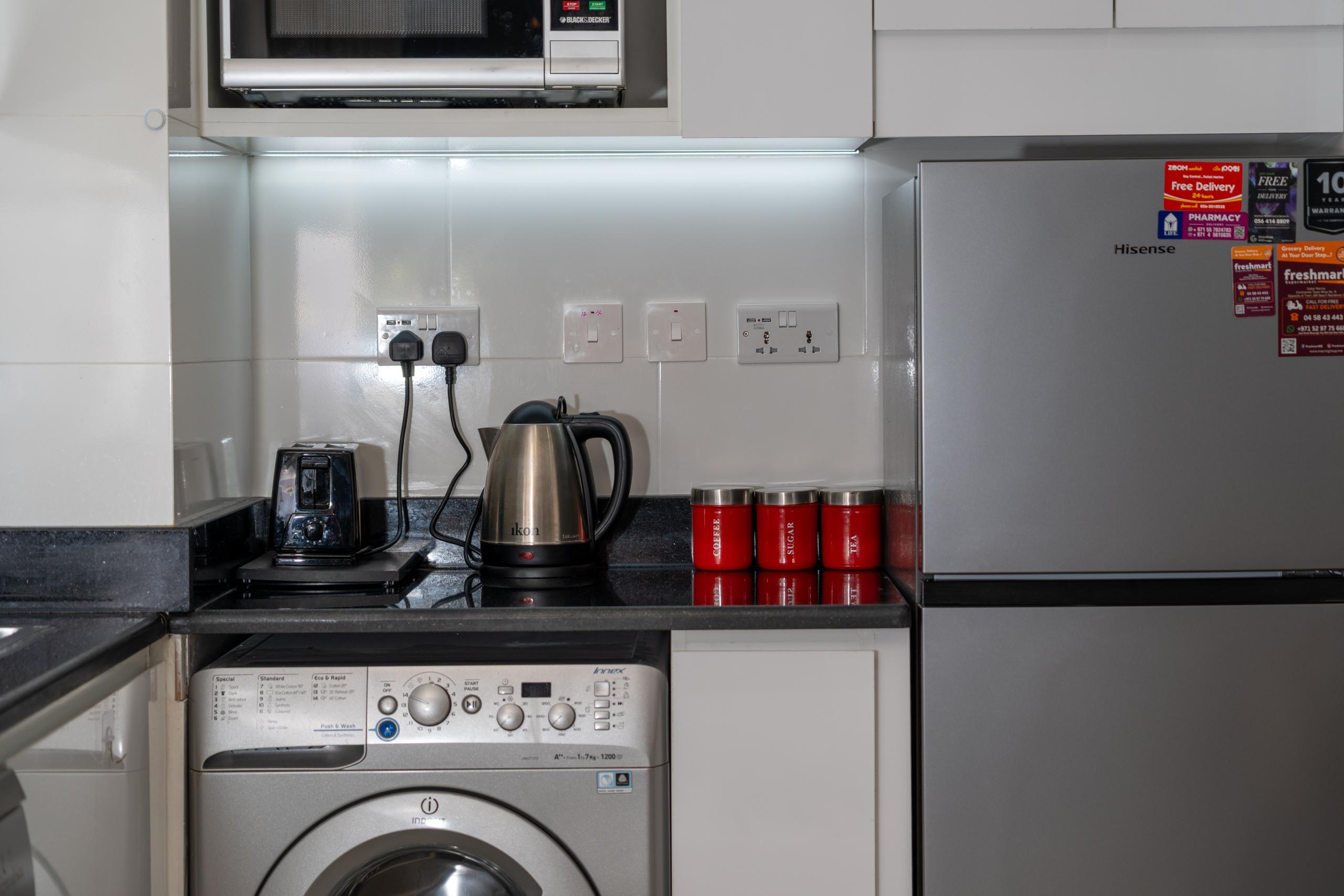
If you let a property as a House in Multiple Occupation, whether that's a converted house with individual tenancies or a property let room by room, the practical stakes around electrical safety are higher, simply because more people, more appliances, and often more informal wiring additions are involved. Kitchens and communal areas in particular tend to see heavier and more varied electrical use than a single-family let, kettles, microwaves, multiple phone chargers, and sometimes portable heating in individual rooms if the main heating doesn't reach every space adequately.
Licensing requirements for HMOs, where they apply, typically bring additional scrutiny on fire and electrical safety as standard, and it's worth treating this as the baseline rather than the ceiling. A more frequent visual check of communal electrics, alongside the standard EICR cycle, is a sensible addition given the higher usage these properties see.
What good record-keeping actually looks like

It's worth being specific about this, because "keep the paperwork" is easy advice to nod along to and then not actually do properly. For each property, you want a clear record showing the date of the last EICR, its classification outcome, evidence that any required remedial work was completed and by whom, and the date the next inspection is due. If PAT testing applies, the same applies to appliance records.
This doesn't need to be complicated, a simple spreadsheet or a folder per property is enough, but it needs to be something you can actually produce quickly if a tenant, an insurer, or a local authority asks for it. The properties I've seen run into real difficulty aren't usually ones where no checks were ever done, they're ones where checks were done but nobody could actually locate the paperwork when it mattered.
What happens if you don't stay on top of this
Beyond the obvious safety risk, which should be reason enough on its own, there are real practical consequences to letting electrical safety slip. Local authorities have the power to issue penalties to landlords who fail to comply with EICR requirements, and these penalties can be significant. If a property is ever inspected following a complaint or an incident and it emerges that required checks hadn't been carried out, this becomes a serious compliance failure, not just an oversight.
There's also the insurance angle, which landlords sometimes forget until it's too late. Many landlord insurance policies require evidence of up-to-date electrical safety checks as a condition of cover, and if there's ever a claim following an electrical fire or fault, an insurer finding out the required checks hadn't been done can be grounds to reduce or refuse a payout entirely. Getting this right isn't just about avoiding a fine, it's about making sure the rest of your risk protection actually holds up if you ever need it.
Building electrical safety into your winter preparation
Electrical checks shouldn't be a standalone task remembered only when a certificate is about to expire. It fits naturally alongside the other seasonal checks worth doing before winter, gas safety, heating, roof and guttering, and building it into the same seasonal rhythm makes it far less likely to be forgotten or left until the last minute.
For each property, a sensible approach looks something like this:
Confirm the EICR is current and book renewal with plenty of lead time if it's due
Check furnished properties have appliances covered by PAT testing where relevant
Ask tenants directly whether they've noticed any warm sockets, flickering lights, or tripping circuits
Check outdoor electrics and lighting are weatherproofed and functioning
Review whether socket provision is realistically adequate for how tenants are using the property in winter
Keep all certificates and remedial work evidence filed and accessible
None of this is complicated, but it does require actually being proactive about it rather than waiting for a problem to surface on its own, which with electrical faults, is rarely a subtle warning and often a genuinely dangerous one.
If you're managing this across several properties
Keeping track of EICR renewal dates, coordinating electricians, and following up on any remedial work identified becomes a real administrative task once you're managing more than one or two properties, particularly across a mix of older and newer buildings with different histories and different risk profiles. This is exactly the kind of ongoing compliance work that block and property management is designed to handle properly, so nothing slips through simply because there wasn't time to track it manually.
At Gateway Property Hub, electrical safety compliance is built into how we manage properties across Croydon and the surrounding areas as a matter of course, not something we scramble to address when a certificate is close to lapsing. If you'd like a hand making sure your properties are properly covered before winter puts more demand on ageing electrical systems, get in touch and we'll talk through exactly what that looks like for your portfolio.