How Tenants Can Prevent Damp and Mould Before Autumn Arrives

How Tenants Can Prevent Damp and Mould Before Autumn Arrives
Every autumn, without fail, I get the same call from tenants: a patch of black spots appearing in the corner of a bedroom ceiling, condensation running down the inside of the windows every morning, or a musty smell that wasn't there in summer. Most of the time, it's not the building letting anyone down. It's a change in season meeting a few small habits that made perfect sense in warmer months and stop working once the weather turns.
If you're renting in Croydon or anywhere across South London, this is worth reading before the cold weather properly sets in, not after you've already found mould behind the wardrobe. A few simple changes now can save you a stressful conversation with your landlord later, and more importantly, they'll keep your home genuinely comfortable through the winter rather than just warm and damp.
Why autumn is when damp and mould really show up

In summer, most homes ventilate themselves without anyone thinking about it. Windows stay open, doors get left ajar, and moisture in the air has plenty of ways to escape. As soon as the weather turns colder, that changes. Windows get closed to keep the heat in, the heating goes on, and all the moisture that used to disappear through an open window now has nowhere to go. It ends up sitting on the coldest surfaces in the property, which are usually windows, external walls, and corners where air doesn't circulate well.
This is why damp and mould problems seem to appear "out of nowhere" every autumn. The building hasn't changed. The way it's being used has.
Understanding what you're actually dealing with
t helps to know the difference between the two most common issues, because the fix for one isn't the fix for the other.
Condensation is moisture from everyday activity, cooking, showering, drying clothes, even breathing, landing on cold surfaces and turning to water droplets. This is by far the most common cause of damp problems in rental properties, and it's almost always something that can be managed through ventilation and heating habits.
Mould is what grows once condensation has been sitting on a surface for long enough. It needs moisture and a lack of airflow to take hold, which is why it shows up first in corners, behind furniture pushed against external walls, and inside wardrobes on outside walls, exactly the spots with the least air movement.
There's a third possibility, which is penetrating or rising damp, caused by an actual building defect like a leak, a failed damp course, or water getting in through the roof or brickwork. This is a landlord's responsibility to fix, not something ventilation habits will solve, and it's important not to confuse the two. If you're doing everything right and still seeing damp, that's usually the sign you're dealing with this rather than condensation.
Ventilate, even when it's cold outside
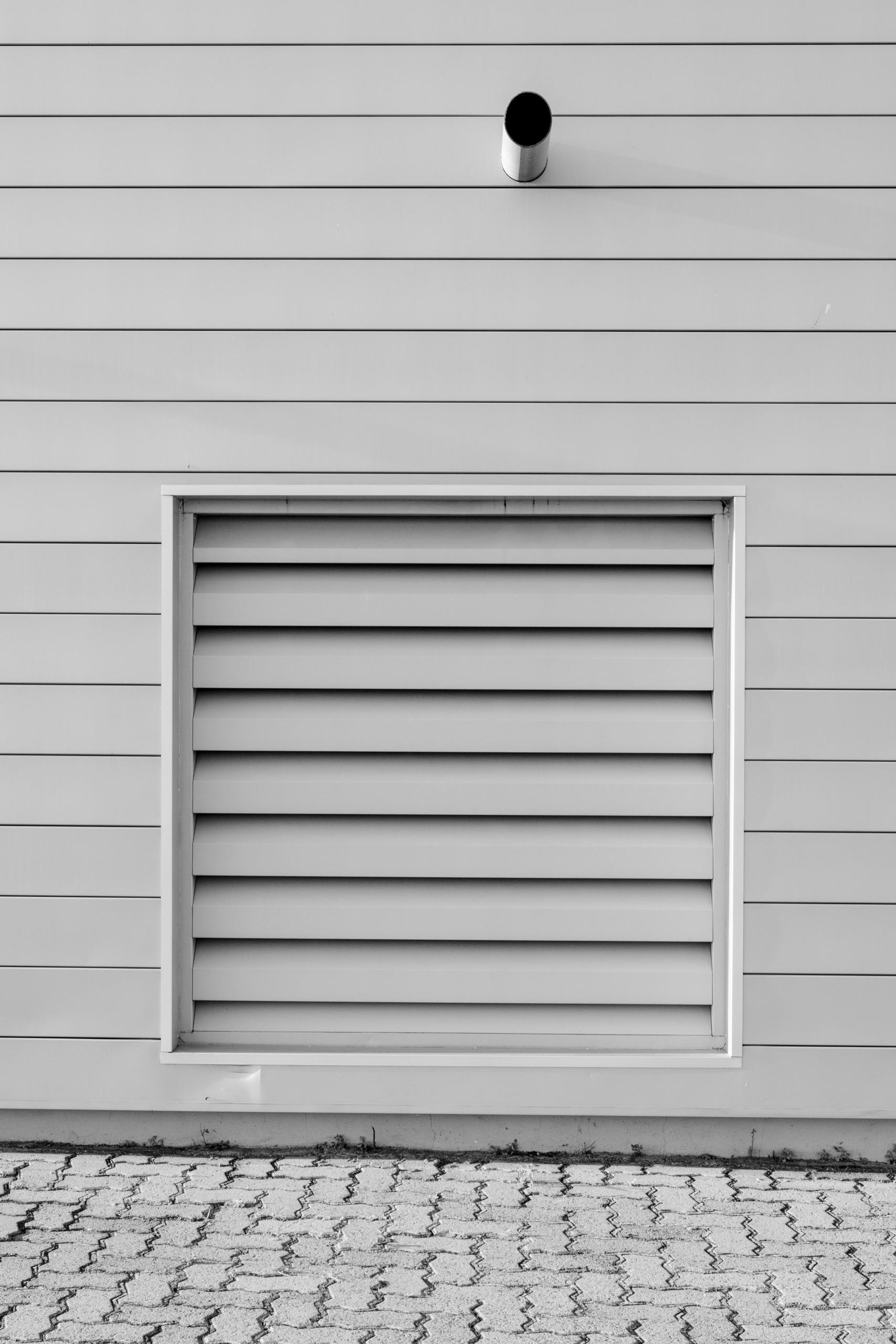
This is the single biggest thing tenants can do, and it's also the thing people are most reluctant to do once the weather turns, because opening a window in October feels like undoing all the good work the heating just did.
The trick is short bursts rather than leaving windows open all day. Ten to fifteen minutes with a window open, ideally with a door closed so you're not cooling the whole property, is enough to let moist air escape and be replaced with drier air from outside. Do this once or twice a day, particularly after showering, cooking, or drying clothes, and you'll get most of the benefit without losing much heat.
Trickle vents, the small vents built into the top of many modern window frames, should be left open rather than closed for the same reason. They're designed to allow constant background ventilation without you needing to think about it, and closing them because they let in a slight draught tends to cause exactly the condensation problem they're meant to prevent.
Use extractor fans properly, not just when you remember

Bathroom and kitchen extractor fans exist specifically to deal with the two biggest sources of moisture in a home. The mistake most people make isn't forgetting they exist, it's switching them off too early. Run the extractor fan during a shower and for a good fifteen to twenty minutes afterwards, not just while the water's running. The same goes for cooking: keep the kitchen extractor on while boiling pans or running the dishwasher, and for a while after, since that's when a surprising amount of moisture is still being released into the air.
If a fan is unusually loud, doesn't seem to be pulling air the way it used to, or switches off automatically far too quickly, mention it to your landlord or letting agent. A fan that's not working properly is worth reporting the same way you'd report a broken light, because it directly affects how much damp risk the property carries through winter.
Be careful how you dry laundry indoors

Drying washing indoors is one of the biggest single contributors to condensation, and in a lot of rental properties, particularly flats without outdoor space, it's genuinely unavoidable during autumn and winter. The goal isn't to stop doing it, it's to do it in a way that gives the moisture somewhere to go.
Dry clothes in a room with a window cracked open or a door closed off from the rest of the property, ideally with an extractor fan running if there's one nearby. Avoid drying large loads on radiators in a closed room with the door shut, since that's about the most efficient way possible to put a large amount of moisture into a small, poorly ventilated space. If you have access to a tumble dryer that vents outside or a condenser dryer, that's a far better option than drying on radiators when the weather doesn't allow drying outside.
Keep the heating on low and steady, rather than off and then blasting
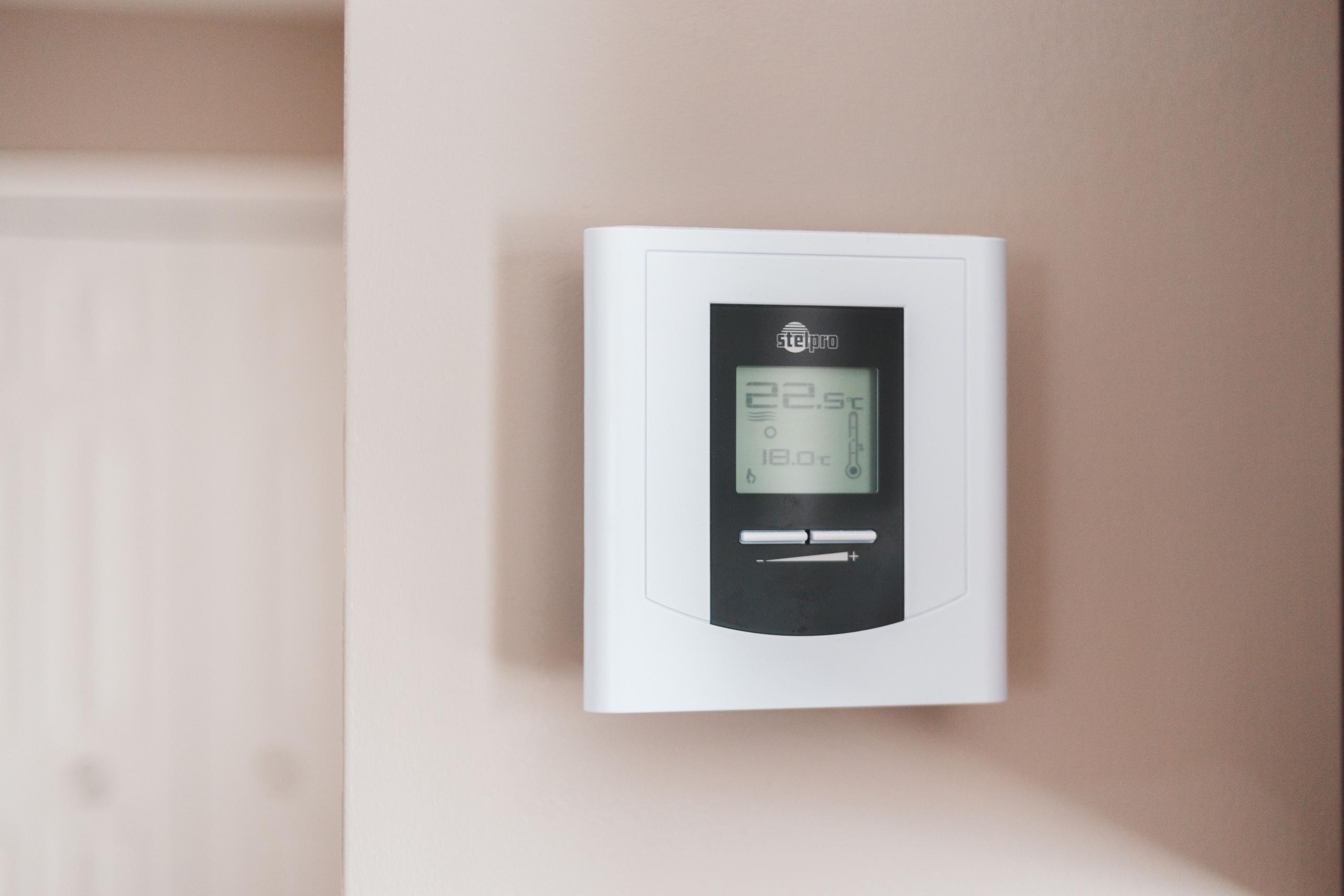
A common pattern in rental properties is heating being left off during the day to save money, then blasted on in the evening. This actually makes condensation worse, because a property that's been cold all day has cold surfaces, and warm, moist air hitting a cold wall or window is exactly the combination that produces condensation.
A more effective approach, and often not much more expensive, is keeping the heating on a low, consistent setting throughout the day rather than switching it fully off and on. This keeps surface temperatures more even, which gives condensation far less opportunity to form. If you're worried about cost, it's worth discussing with your landlord or agent whether the property has a more efficient way of managing this, since older heating systems and poor insulation both make this balance harder to strike.
Give furniture and walls room to breathe

It's easy to overlook, but where you put furniture affects airflow more than people expect. Wardrobes, beds, and sofas pushed flush against an external wall block air circulation in exactly the spot where the wall is coldest and most prone to condensation. Leaving a small gap, even just a few centimetres, between furniture and external walls allows air to move and makes a noticeable difference to whether mould takes hold behind or underneath large items.
This is particularly worth checking in bedrooms with a wardrobe on an external wall, since this is one of the most common places mould appears in properties that otherwise seem fine.
Spotting the early signs before they become a problem
Mould rarely appears overnight. It's usually preceded by consistent condensation on windows in the morning, a slightly musty smell in a particular room, or a faint discolouration in a corner that's easy to dismiss as dirt or shadow. Catching it at this stage means a simple wipe-down with an appropriate cleaner and a change in ventilation habits is often enough to stop it developing further.
Once mould is visibly established, particularly if it's spreading or returning quickly after cleaning, it's a sign the underlying moisture problem hasn't been addressed, and it's worth raising with your landlord or agent rather than repeatedly cleaning the same patch and hoping it stops coming back.
What to do if you find damp or mould despite doing everything right
If you're ventilating properly, running extractor fans, managing laundry sensibly, and keeping the heating reasonably consistent, and you're still seeing damp or mould, this is worth reporting rather than living with. It may point to an actual building issue, poor insulation, a failing extractor fan, a leak, or a problem with the property's damp proofing, none of which are things a tenant can fix through habit changes alone.
Report it in writing, even if you've mentioned it verbally first, and include photos if you can. This isn't about being difficult, it's about making sure there's a clear record of when the issue was raised, which protects both you and the landlord if it needs to be addressed properly. A reasonable landlord or agent would rather know about a damp problem early than discover it during a check-out inspection months later.
Why this is worth taking seriously, beyond the mould itself
Damp and mould aren't just cosmetic issues. Persistent damp can affect respiratory health, particularly for anyone with asthma or other respiratory conditions, and it can damage belongings, clothing, and furniture over time. It's also one of the most common sources of dispute between tenants and landlords at the end of a tenancy, since disagreements over whose responsibility the damp was, a habit issue or a building issue, can affect deposit deductions if it isn't addressed clearly at the time.
Getting ahead of it in autumn, before the property has spent months with windows shut and heating running inconsistently, is the easiest point in the year to prevent problems compounding into something more serious and more expensive to put right.
Common myths worth clearing up
A few misunderstandings come up regularly, and they're worth addressing directly because they lead people to do the opposite of what actually helps.
The first is the idea that keeping windows completely shut all winter saves the most heat and therefore money. In practice, a property with no ventilation at all traps moisture, and that moisture then has to be dealt with through cleaning, dehumidifiers, or eventually repairs, all of which cost more than the small amount of heat lost through brief, controlled ventilation.
The second is the belief that mould is always a sign of a badly built or poorly maintained property. Plenty of well-maintained properties develop mould simply because of how they're being used day to day, and plenty of older properties with less insulation stay mould-free because ventilation and heating habits are managed well. The building matters, but habits matter just as much, often more.
The third is assuming a dehumidifier is a fix rather than a management tool. A dehumidifier can genuinely help reduce moisture in the air, particularly in properties with limited natural ventilation, but it's not a substitute for addressing the underlying cause. Running one in a room with no ventilation and furniture blocking airflow will help a little, but it won't solve a problem that's really about how air is moving, or not moving, through the property.
Bathrooms and kitchens deserve extra attention
These two rooms produce more moisture in a shorter space of time than anywhere else in the property, so it's worth being a bit more deliberate about them specifically. In the bathroom, keep the door closed during and after a shower or bath so steam doesn't spread through the rest of the property, and let the extractor fan do its job rather than opening the door straight away to let the steam "clear" into the hallway instead.
In the kitchen, lids on pans while cooking make a bigger difference than people expect, since a covered pan releases far less steam than an open one. If the kitchen doesn't have a working extractor fan, or the extractor just recirculates air rather than venting outside, a window cracked open while cooking is a reasonable substitute, even if it's not quite as effective.
Cleaning mould safely if you do find it
If you catch mould early, at the discolouration stage rather than a fully established patch, a diluted solution of one part bleach to four parts water, or a proper mould and mildew cleaning product, applied with a cloth and left for a few minutes before wiping, will usually deal with small areas on hard surfaces like tiles, window frames, or painted walls. Wear gloves, keep the room ventilated while you're doing it, and dry the area thoroughly afterwards.
What you shouldn't do is simply paint over mould without treating it first, since it will come back through the paint fairly quickly. If mould keeps returning to the same spot despite cleaning it properly, that's the point to stop treating it as a cleaning issue and start treating it as something to report, since it usually means the underlying moisture problem hasn't actually gone away.
A quick seasonal checklist for tenants
Open windows for ten to fifteen minutes once or twice a day, even in colder weather
Keep trickle vents open rather than closed
Run extractor fans during and after showers and cooking
Dry laundry with ventilation in mind, avoid radiators in closed rooms
Keep heating on a low, steady setting rather than off and then blasted
Leave a small gap between furniture and external walls
Report any consistent condensation, musty smells, or early discolouration promptly
None of this requires spending money or making major changes to how you live. It's mostly about small adjustments to habits that worked fine in summer and need a bit of rethinking once the weather turns.
If you're a landlord reading this
If you manage rental properties yourself, this is worth sharing directly with tenants as autumn approaches, since a lot of damp and mould disputes come down to tenants simply not knowing what's expected of them, or landlords assuming it's obvious when it isn't. A short, friendly message at the start of the season covering ventilation and heating habits is a small thing that heads off a much bigger conversation later.
At Gateway Property Hub, this is exactly the sort of thing we handle as part of managing properties across Croydon and the surrounding areas, keeping tenants informed, picking up on early signs of damp before they escalate, and making sure any genuine building issues are addressed quickly rather than left to become a dispute. If you'd like help getting ahead of damp and mould season across your portfolio, get in touch and we'll talk through what that would look like for your properties.