How to Keep Heating Bills Down as the Weather Gets Colder
How to Keep Heating Bills Down as the Weather Gets Colder
Every year around this time, I get the same conversation with tenants and landlords alike: heating bills have jumped, nobody's quite sure why, and everyone's looking for a quick fix that doesn't involve sitting in a cold flat all winter. The honest answer is that there isn't one single trick that solves this. It's a combination of small, sensible habits and, sometimes, being realistic about when the property itself is working against you.
I've seen tenants make genuinely excellent changes to how they heat their home and still end up with a high bill, simply because the property has single glazing and no loft insulation. I've also seen tenants convinced their flat is impossible to heat efficiently, when actually a few adjustments to how and when they use the heating would make a real difference. This is worth untangling properly, because knowing which category you're in changes what's actually worth doing
Why heating bills climb faster than the temperature drops
It's easy to assume heating costs rise in a straight line with how cold it gets outside, but that's not quite how it works. A property loses heat faster the bigger the gap between indoor and outdoor temperature, so the coldest weeks of the year don't just cost a bit more, they cost disproportionately more. This is part of why a mild autumn can lull people into comfortable habits that then get expensive fast once temperatures properly drop in December and January.
Understanding this helps explain why getting things right now, before the coldest stretch, matters more than trying to fix things once the bill has already arrived.
Get the boiler serviced before you need it working hard
An inefficient boiler burns more fuel to produce the same amount of heat, and this is one of the most overlooked sources of unnecessarily high bills. If a boiler hasn't been serviced in the last year, or if radiators take a long time to heat up, or heat unevenly with cold patches, it's worth getting looked at before winter properly sets in rather than after. A poorly performing boiler doesn't just cost more to run, it also means the property takes longer to warm up, which tempts people into leaving the heating on for longer than they'd otherwise need to.
If you're a tenant, this is something to raise with your landlord or agent directly rather than assuming it's just how the system is. A boiler that's struggling to heat the property efficiently is a maintenance issue, not something you need to work around indefinitely.
Keep the heating on a low, steady setting rather than switching it off and on
This is probably the most common piece of heating advice, and also the most argued about, because it depends on the property. In a reasonably well-insulated home, keeping the heating on a low, consistent temperature throughout the day, rather than switching it off completely and then blasting it back on when someone gets home, tends to use less energy overall. This is because the property never gets cold enough to require a large amount of energy to reheat it, and modern boilers run more efficiently at a steady, moderate output than cycling between fully off and fully on.
In a poorly insulated property, this advice holds less well, because heat escapes faster than it can be maintained, and a low steady setting in a draughty flat can end up costing more without ever actually feeling warm. If you're not sure which situation applies to you, a reasonable approach is to try a low, steady setting for a week or two and compare it honestly against your usual pattern, rather than assuming either approach is automatically correct.
Use thermostatic radiator valves properly
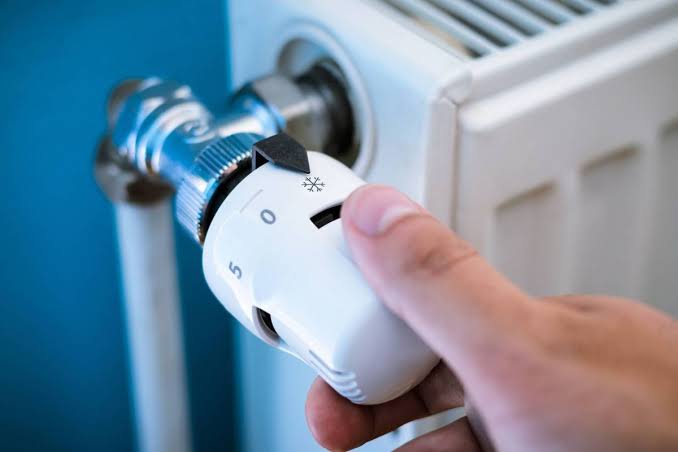
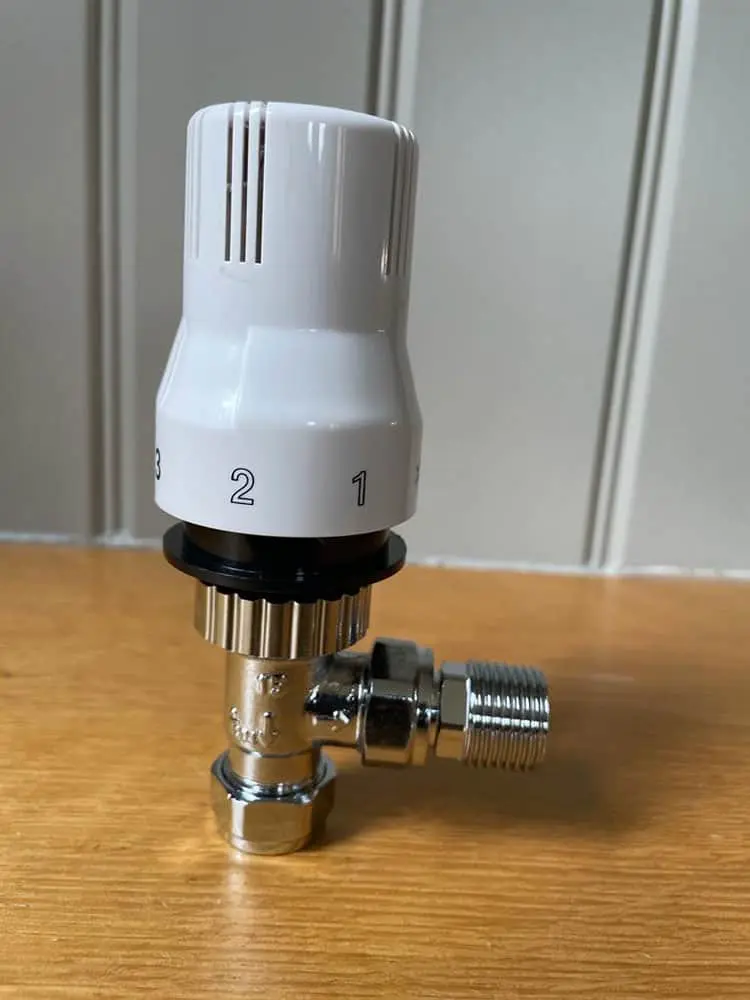
If your radiators have thermostatic valves, the numbered dials rather than a simple on-off tap, these are worth using deliberately rather than leaving on the same setting all year. Rooms you spend a lot of time in, living rooms, main bedrooms, are worth keeping warmer, while spare rooms, hallways, and rooms used briefly can run cooler without much impact on comfort. Heating every room in a property to the same temperature regardless of use is one of the more avoidable sources of wasted spend.
It's worth noting these valves control how warm a room gets relative to others, not how quickly it heats up, so turning a valve up further than needed doesn't make the room heat faster, it just means it eventually gets warmer than necessary and stays that way, using more energy for no real benefit.
Draught-proof windows and doors properly
A cold draught around a window or door doesn't just feel uncomfortable, it means warm air is constantly being replaced by cold air from outside, which the heating then has to work to warm up all over again. This is one of the cheapest and most effective things a tenant can do without needing the landlord's involvement for anything beyond very minor work. Draught excluders along the bottom of external doors, foam strips around window frames, and even a keyhole cover on an external door all add up to a genuinely noticeable difference over a full winter.
If a window or door is draughty because a seal has properly failed or a frame has warped, that's worth reporting rather than just working around it, since it's a repair issue rather than something a draught excluder will fully solve.
Use curtains and blinds to your advantage
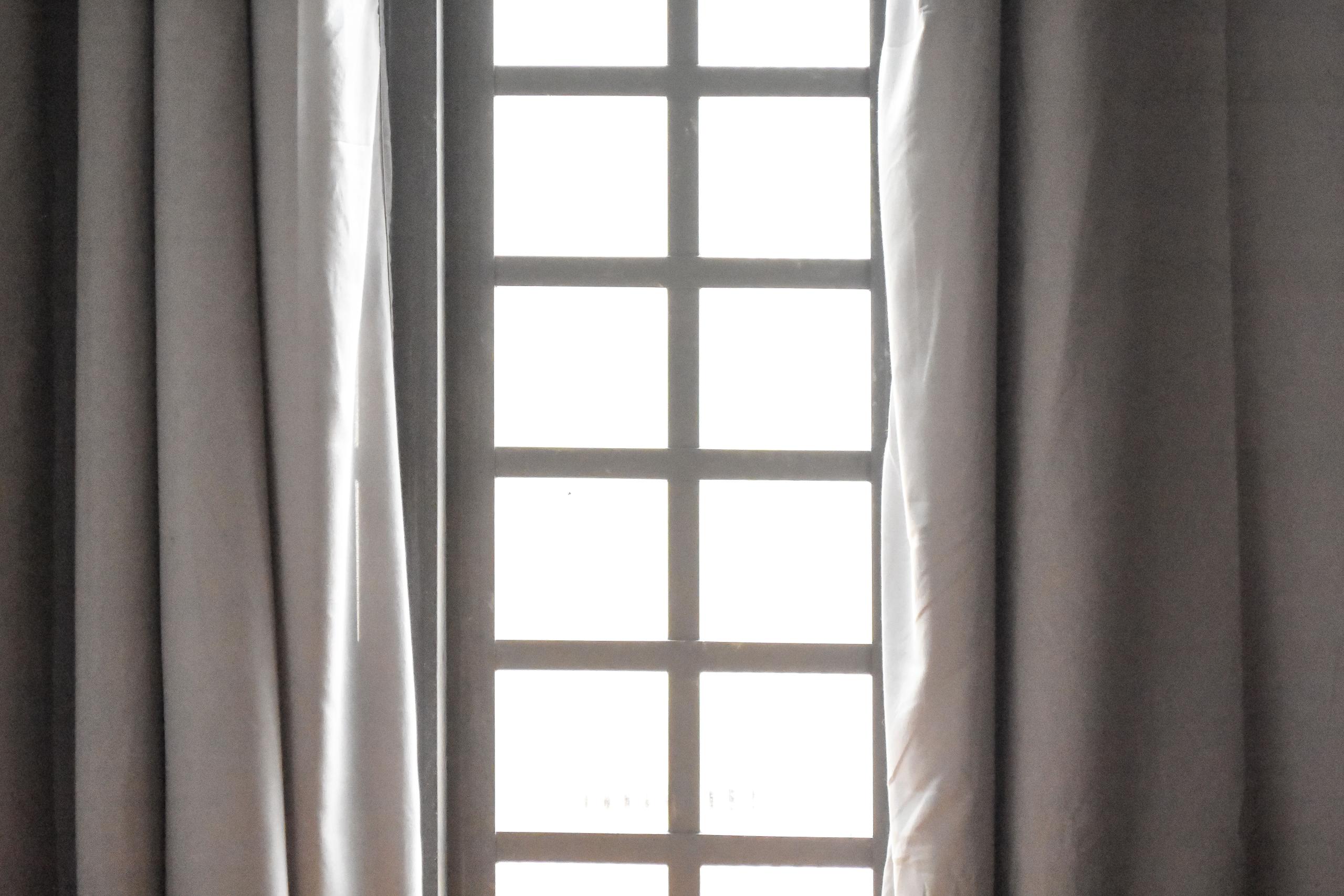
Heavy curtains, closed at dusk, add a genuine layer of insulation against windows, which are usually the coldest surface in a room. Leaving curtains open after dark, particularly with older or single-glazed windows, lets a surprising amount of heat escape through the glass. Closing curtains as soon as it gets dark, rather than at bedtime, makes a small but real difference over the course of a winter.
The same logic applies in reverse during the day. Opening curtains and letting direct sunlight in during a bright winter day provides a small amount of free heating, particularly on south-facing windows, so it's worth taking advantage of it when the weather allows.
Block draughts from unused rooms and chimneys
If there's a room you're not heating or using regularly, keeping the door closed stops heated air from adjacent rooms escaping into it and being wasted. If a property has an unused fireplace, an open chimney is a significant and often overlooked source of heat loss, effectively acting as a permanent open window. A chimney draught excluder or balloon, which can be removed easily if the fireplace is ever used, is a cheap and effective fix for this.
Be realistic about electric heaters
Portable electric heaters feel like a cheap, controllable way to warm a single room, and in some situations they are, briefly heating one room you're using rather than running central heating for a whole property. But electricity is generally more expensive per unit of heat produced than gas central heating, so relying on an electric heater as a primary heat source over an extended period, rather than as an occasional top-up, usually costs considerably more than people expect.
If you find yourself using a portable heater every evening because the central heating doesn't seem to reach a particular room effectively, that's worth investigating as an underlying heating issue rather than treating the electric heater as the permanent solution.
Check your tariff and payment method
This isn't about heating habits directly, but it affects the final bill just as much. Paying by direct debit is often cheaper than paying on receipt of bill or through a prepayment meter, and it's worth checking whether your current tariff and payment method are actually the most competitive option available to you, rather than assuming all suppliers and plans cost roughly the same. If you're on a prepayment meter and eligible for support schemes such as the Warm Home Discount, it's worth checking eligibility directly with your supplier, since this can make a meaningful difference to the actual cost of a winter's heating.
A smart meter, if you have one, is also worth actually using rather than ignoring. Seeing real-time usage tends to make people more aware of which habits are actually driving cost, which is often more effective than any general advice about turning things off.
Don't overlook hot water usage

Heating the water tank or running a combi boiler for hot water is a significant part of most heating bills, and it's often overlooked because people think of "heating" purely in terms of radiators and rooms. If your system has a hot water cylinder with a timer, check it's not set to heat water far more often or for far longer than actually needed. Reducing the thermostat on a hot water cylinder slightly, without going so low it creates a hygiene risk, can also make a measurable difference over a winter.
Shorter showers and being mindful of running taps on hot rather than out of habit both add up more than people expect, particularly in a household with more than one person showering daily. This isn't about being uncomfortable or restrictive, it's just being aware that hot water is a real and often underestimated slice of a winter energy bill.
Insulation improvements worth asking about, even as a tenant
While structural insulation work is the landlord's decision and cost to make, it's worth knowing what actually makes a meaningful difference so you can have an informed conversation if you're renting and struggling with a cold property. Loft insulation is usually the single most cost-effective improvement, since heat rising and escaping through an under-insulated roof is one of the biggest sources of heat loss in period properties. Cavity wall insulation, where a property has cavity walls rather than solid walls, is another significant one, though not always straightforward to check without a survey.
Simpler, lower-cost measures like radiator reflector panels, fitted behind radiators on external walls, reflect heat back into the room rather than letting it disappear into the wall, and cost very little relative to the difference they make. If you're a tenant and comfortable doing so, these are usually fine to add yourself without needing landlord permission, though it's always worth checking your tenancy agreement or asking first if you're unsure.
Setting a realistic temperature rather than chasing a number
There's a tendency to think of comfortable room temperature as a fixed number everyone should aim for, but comfort varies significantly by person, activity, and even what you're wearing indoors. A widely used guideline is that around eighteen to twenty-one degrees is a reasonable range for living spaces, with slightly cooler bedrooms often being perfectly comfortable and marginally cheaper to maintain. Rather than fixating on hitting a specific number, it's more useful to find the lowest temperature you're genuinely comfortable at and treat that as your baseline, adjusting a degree at a time rather than in large jumps, since even small reductions sustained over a full winter add up to a meaningful saving.
Common myths worth clearing up
A few widely repeated pieces of advice don't hold up as universally as people assume. The idea that leaving heating on low all day is always cheaper than heating only when needed depends heavily on how well insulated the property is, as covered above, so it's not a blanket rule. The belief that turning a thermostat up further makes a room heat up faster is also incorrect, a room heats at the same rate regardless of the target temperature set, so setting it higher than needed only means it overshoots and wastes energy once reached.
Another common assumption is that closing all doors and vents in a property saves the most energy. In practice, some ventilation is necessary to prevent condensation and damp building up, particularly in bathrooms and kitchens, so sealing a property completely airtight in pursuit of heat retention tends to create a different, more expensive problem down the line.
When it's not about your habits at all
If you're doing everything reasonably right, keeping a sensible heating pattern, draught-proofing what you can, using curtains properly, and the property is still expensive and difficult to heat, this often comes down to the building itself rather than anything you're doing wrong. Poor loft insulation, single glazing, solid walls without cavity insulation, and an inefficient or ageing boiler are all structural issues that habits alone can't fully offset.
As a tenant, it's worth raising this with your landlord or agent, particularly if the property has an old boiler or visibly poor insulation, since there may be improvements worth making, and it's increasingly relevant given tightening energy efficiency standards for rental properties. As a landlord, this is worth taking seriously beyond the immediate goodwill of the tenant. A property that's expensive to heat is harder to let, more likely to see high tenant turnover, and increasingly likely to fall foul of Minimum Energy Efficiency Standards as these requirements continue to tighten over the coming years.
A quick checklist for keeping bills down this winter
Get the boiler serviced if it hasn't been checked in the last year
Trial a low, steady heating setting against your usual on-off pattern
Use thermostatic radiator valves to heat rooms according to actual use
Draught-proof windows, doors, keyholes, and letterboxes
Close curtains at dusk, open them for direct sunlight during the day
Keep unused rooms closed off and chimneys blocked if not in use
Use portable heaters sparingly rather than as a primary heat source
Check your tariff, payment method, and eligibility for support schemes
Report persistent cold spots, boiler issues, or poor insulation rather than working around them indefinitely
If you're a landlord thinking about this from the other side
A tenant who's struggling with high heating bills isn't just a tenant having a difficult winter, it's also a tenant more likely to look for somewhere else to live once the tenancy is up, and more likely to raise complaints about the property's condition along the way. Improvements like loft insulation top-ups, boiler servicing, and addressing draughty windows are relatively modest costs that tend to pay for themselves through better tenant retention and fewer disputes, aside from being the right thing to do.
At Gateway Property Hub, we factor energy efficiency into how we advise landlords across Croydon and the surrounding areas, both because it protects tenants from unreasonably high bills and because it protects landlords from falling behind on efficiency standards that are only going to become stricter. If you'd like an honest assessment of where your properties stand and what would actually make a difference before the coldest months arrive, get in touch and we'll talk it through.