Preparing Your Rental Property for Autumn: Maintenance Checks Every Landlord Should Complete
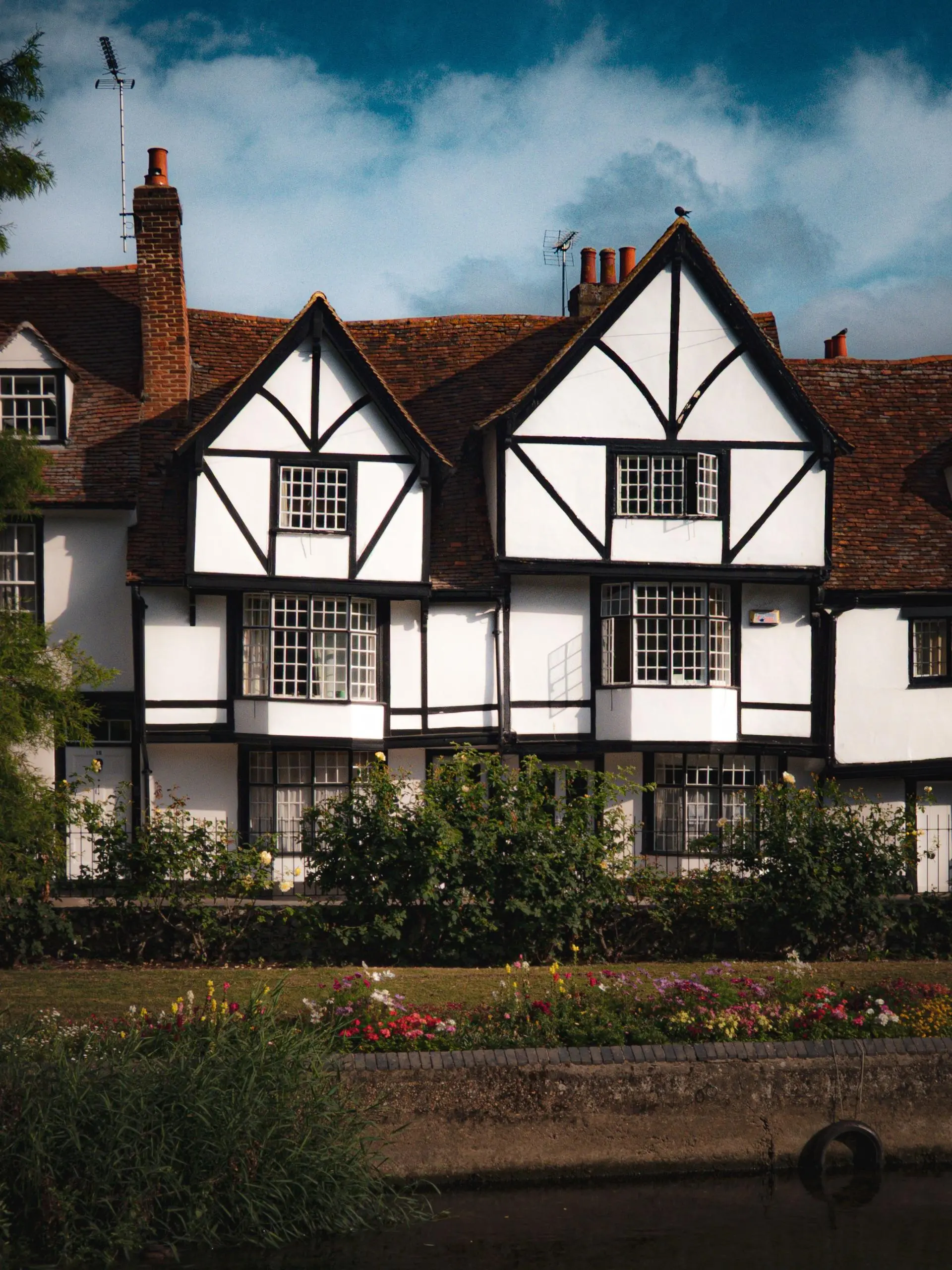
Every year it's the same story. The clocks go back, the temperature drops, and my phone starts ringing with tenants reporting damp patches, broken boilers, and gutters that are suddenly overflowing onto the patio. None of this is bad luck. It's what happens when small maintenance jobs get left until the weather forces the issue.
If you own rental property in Croydon or anywhere across South London, autumn is the point where a bit of time now saves you a lot of money and hassle later. I've managed properties long enough to know exactly which calls come in first once the weather turns, and almost all of them trace back to something that could have been caught in September with a bit of planning.
This isn't about turning your property into a show home before winter. It's about working through a handful of practical checks that protect the building, keep tenants comfortable, and stop small problems becoming expensive ones. Here's what I'd actually go through, room by room and job by job, based on what I see every year across the portfolios we manage.
Why autumn is the turning point, not winter
A lot of landlords think of winter as the risky season, and in one sense that's true. But by the time winter arrives, any weaknesses in the property have usually already been exposed by autumn rain and the first real drop in temperature. Winter is when problems become emergencies. Autumn is when you still have time to prevent them.
Think about it from the tenant's side too. Nobody wants to move into autumn worrying about whether the heating will hold up, whether the flat gets damp, or whether they'll be dealing with a landlord who only responds once something has actually broken. Doing this properly is part of running the property well, not just protecting your asset.
Start with the roof and guttering

This is the one landlords underestimate most, and it's usually where the most expensive damage starts. A blocked gutter doesn't just mean overflow, it means water tracking down the external wall, sitting against the brickwork, and slowly finding its way inside as damp. By the time a tenant reports a stain on the ceiling or a musty smell in a bedroom, the problem has often been building for weeks, sometimes months.
Get gutters cleared before the leaves properly start falling, not after everything has already come down and clogged the down-pipes. If you manage a property with mature trees nearby, which is common enough across the leafier parts of South London, this job might need doing twice over the season rather than once.
While you're arranging this, have someone check the roof itself for slipped or cracked tiles, and check the flashing around chimneys and roof joints. It's a quick job for a roofer to spot from the ground with binoculars or a ladder, and a much bigger, much wetter job once water has already found its way underneath.
If the property has a flat roof, and there are plenty of converted properties and extensions across the area that do, these need particular attention. Flat roofs are more prone to pooling water and small splits in the membrane that don't show themselves until there's a proper downpour testing them.
Test the heating before you need it
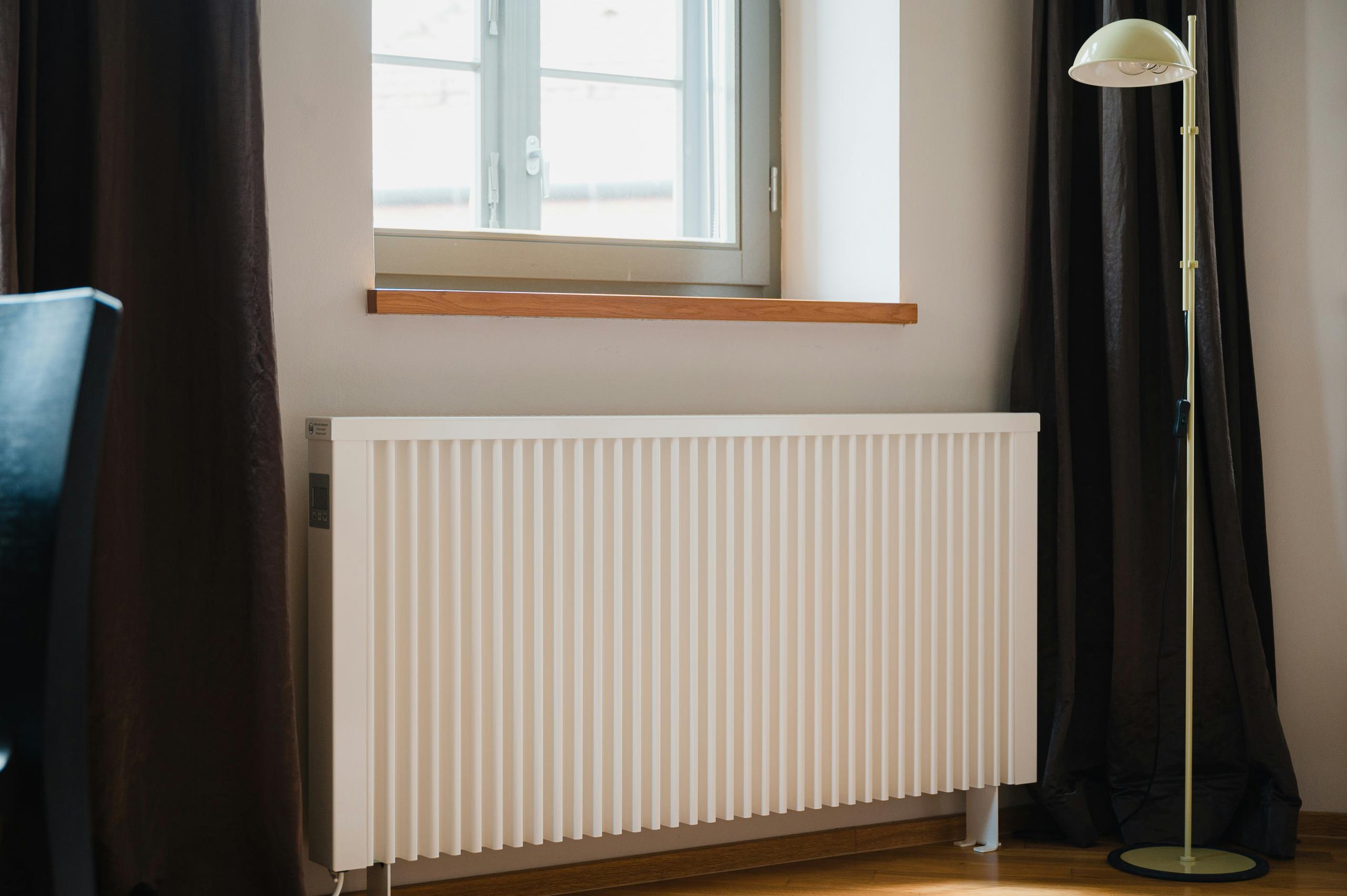
Don't wait for the first cold snap to find out the boiler doesn't fire up properly. Get your annual gas safety check done if it's due, but also actually run the heating system for a full cycle beforehand, not just switch it on and off. Radiators that need bleeding, thermostats that aren't communicating properly with the boiler, pilot lights that won't stay lit, these are all things you want to catch in September, not on a Saturday night in November when the tenant has no heating and you're trying to find an emergency plumber who can actually attend the same day.
This matters for two reasons. One is basic decency: nobody should be cold in a home they're paying rent for, and a tenant who's had a miserable, heating-free weekend is not going to feel generous towards you at renewal time. The other is that as a landlord, you have a legal responsibility to keep the heating system in good working order, along with the wider gas safety obligations under current regulations. Letting a heating system fail isn't just poor management, it's a compliance issue, and one that can leave you exposed if a tenant complains formally.
While the engineer is there for the gas safety check, it's worth asking them to flush the system if it hasn't been done recently, particularly in older properties where sludge build-up in radiators is a common and completely avoidable cause of cold spots and inefficient heating.
Check windows and doors for draughts

Older properties across South London, and there are plenty of them in and around Croydon, often have original or ageing windows that have shifted slightly over the years as the building has settled. A draught around a window frame doesn't sound like a serious issue, but it drives up the tenant's heating bills noticeably, and it's usually one of the first things they mention when they're weighing up whether to renew their tenancy.
Walk the perimeter of every window and external door and check the seals. It's a cheap fix: draught excluders, resealing around frames, and replacing worn weatherstripping where needed costs very little and takes an afternoon. Tenants notice when a landlord has actually bothered to do this, and it quietly builds trust that you're paying attention to the property, not just collecting rent.
If a property has single glazing and you've been considering an upgrade to double glazing, autumn is a sensible time to get quotes in, even if the work itself happens later. Energy efficiency is increasingly something tenants ask about directly, and it will matter more as Minimum Energy Efficiency Standards continue to tighten for rental properties.
Look for early signs of damp and condensation

Autumn is when condensation problems really start to show themselves, because tenants begin closing windows and running the heating without necessarily adjusting their ventilation habits. Moisture that used to escape through an open window in summer now has nowhere to go, and it ends up on cold surfaces, windows, and eventually walls and ceilings.
Check that extractor fans in bathrooms and kitchens are actually working, not just installed and switched on. A fan that spins but doesn't actually extract moisture effectively is worse than useless, because everyone assumes the problem is being handled when it isn't.
If a property has a history of condensation or damp, this is the point in the year to have a straightforward, non-confrontational conversation with the tenant about ventilation habits: opening windows briefly even in cold weather, using extractor fans when cooking or showering, not drying large amounts of washing on radiators in a closed room. I'd always rather have that conversation early and calmly than deal with a damp dispute in January, once mould has appeared and the tenant, quite reasonably, wants to know why nobody said anything sooner.
It's also worth distinguishing between condensation dampness, which is usually a ventilation and heating issue, and penetrating or rising damp, which points to a structural or building defect. If you're not sure which you're dealing with, get someone qualified to look at it rather than guessing, because the fix for one won't solve the other.
Outside spaces, drainage, and boundaries

If the property has a garden, yard, or any outdoor drainage, check it's clear before the heavy leaf fall properly clogs things up. Blocked drains outside a property are one of those things that seem minor right up until there's standing water against the foundations or backing up into an outbuilding.
Take a look at fencing and boundary walls too. Autumn storms tend to find any weak fence panel or loose brick, and a fence that blows down in October is far easier and cheaper to deal with than one that's still down, damaged further, and arguing with a neighbour about responsibility for it in December.
If there are external steps, paths, or a driveway, check for loose or uneven paving. Wet leaves on uneven ground are a genuine trip hazard, and as a landlord you do carry some responsibility for maintaining safe access to the property.
Smoke and carbon monoxide alarms
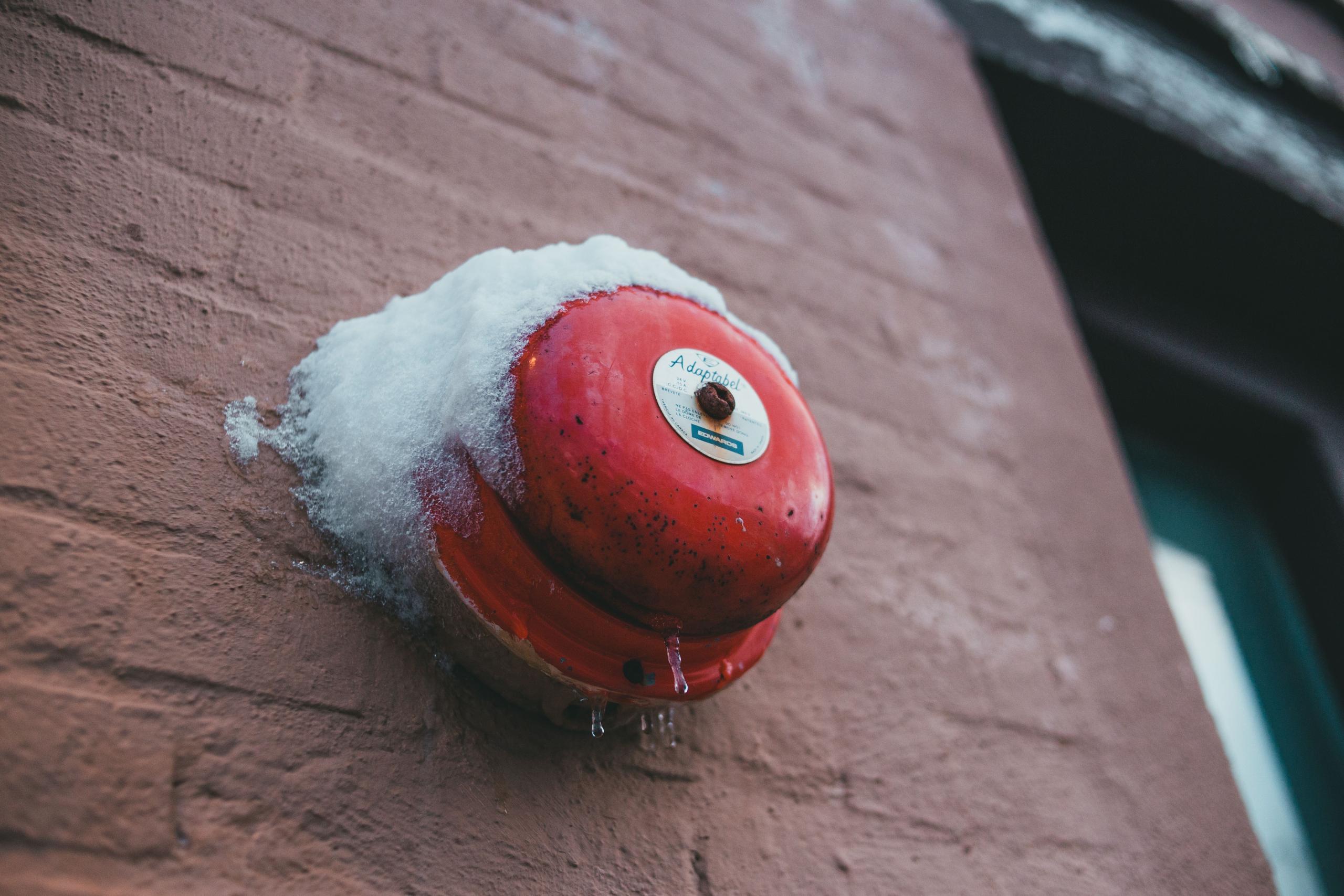
Not strictly an autumn-specific job, but this is a natural point in the year to test every alarm in the property properly, not just glance at them. Heating systems running for the first time in months is exactly when carbon monoxide risks increase, particularly with older boilers or flues that haven't been checked recently.
Confirm smoke alarms and carbon monoxide alarms are working, batteries are fresh, and units are actually within their service life rather than just present on the ceiling. These are legal requirements, not optional extras, and they're also one of the cheapest forms of protection available to both you and your tenant.
Insulation and loft spaces
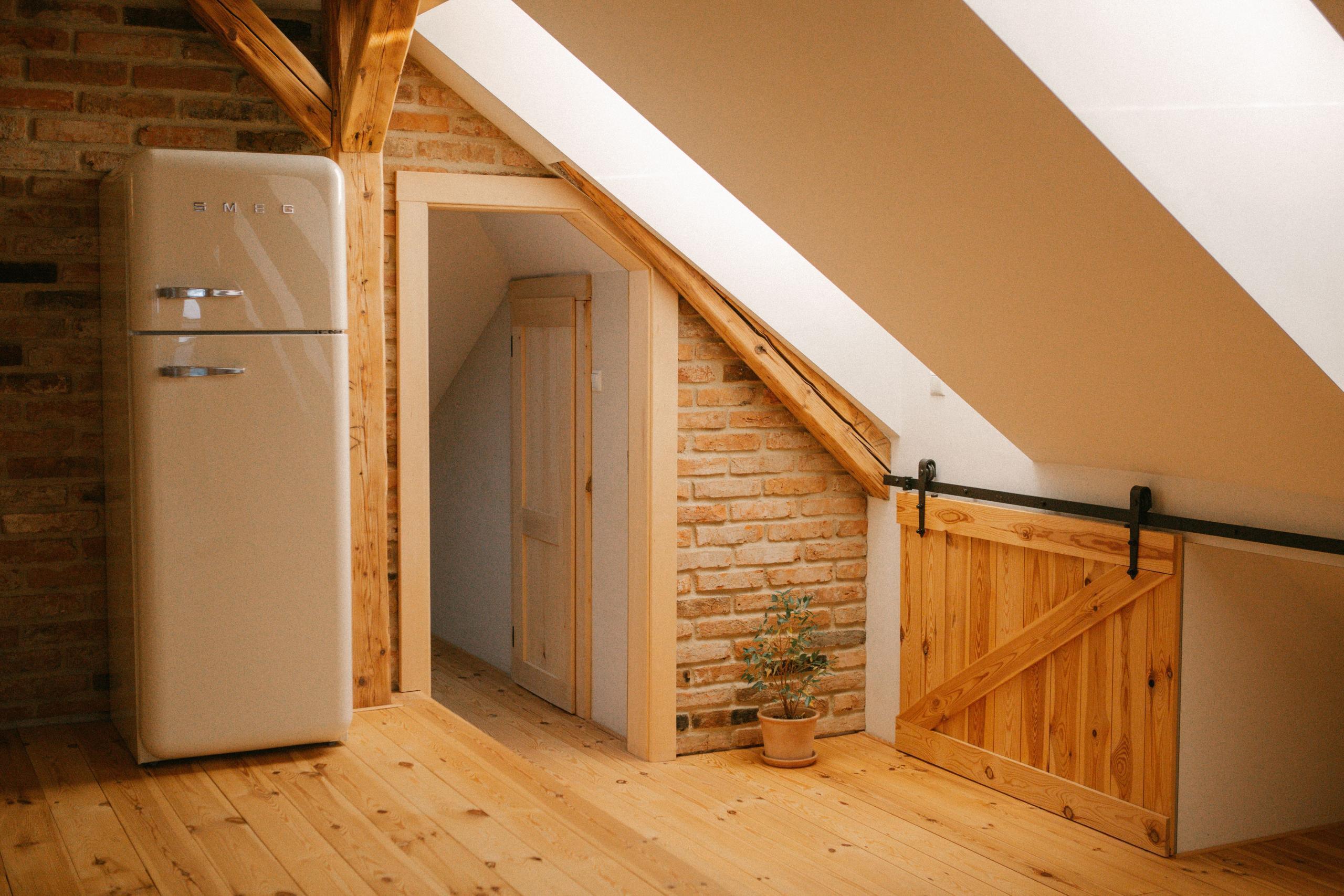
If you have access to the loft, autumn is worth using to check insulation is still doing its job. Insulation that's been disturbed, compressed, or damaged by a previous leak won't perform properly, and tenants will feel that difference in their heating bills even if they never see the loft themselves.
This is also a good moment to check for any signs of pest activity in the loft space, since this is when rodents and other pests start looking for warmer places to shelter as temperatures drop outside.
Exterior walls, brickwork, and render
Walk around the outside of the property and look at the brickwork or render with a critical eye. Hairline cracks that seemed harmless in summer can let in significantly more water once autumn rain becomes more frequent and prolonged. Render that's cracked or lifting away from the wall is worth addressing before it lets water track behind it and cause damage that's hidden until it's already serious.
This is also worth doing at ground level around airbricks and vents, making sure they haven't been blocked by soil, plant growth, or debris. Airbricks exist to let a property breathe, and a blocked one is a quiet contributor to damp problems that can take a while to trace back to the actual cause.
Communicating with tenants properly, not just carrying out checks
A lot of the value in autumn maintenance gets lost if the tenant doesn't know it's happening or doesn't feel able to report issues easily. Send a short message before the season starts letting tenants know you'll be arranging the gas safety check, and ask them directly whether they've noticed any draughts, damp patches, or heating issues over the past few months. Tenants often mention small problems in passing, or don't mention them at all because they assume it's not worth the hassle, or they're worried about how the request will be received.
Making it easy and normal for a tenant to flag a small issue is one of the most effective maintenance tools available, and it costs nothing. A five-minute conversation in September about a slightly sticky window or a radiator that takes ages to heat up can prevent a much bigger repair, and a much more frustrated tenant, by December.
This is also the point to remind tenants of their own responsibilities where relevant, for example keeping extractor fans on during and after showers, or letting you know promptly if they notice a leak rather than waiting to see if it goes away on its own. Most tenants are perfectly reasonable about this if it's communicated clearly and without sounding like a list of demands.
A quick word on cost versus consequence
It's worth putting some rough numbers next to this, because landlords often weigh up whether these checks are "worth it" without actually comparing the figures. Clearing gutters and checking a roof from the ground typically costs a fraction of what it costs to repair a ceiling damaged by a slow leak that's been building for months, let alone dealing with the mould remediation that sometimes follows. A boiler service and radiator flush is considerably cheaper than an emergency call-out on a Sunday evening in December, and cheaper still than a tenant withholding rent or making a formal complaint about lack of heating.
None of this is about spending large amounts of money. Most of what's covered here is either free, in terms of your own time walking round the property, or a modest cost for a trades-person to check something that would be far more expensive to fix once it's failed. The maths on prevention versus repair is rarely close.
Common mistakes I see landlords make at this time of year
A few patterns come up repeatedly, and they're worth flagging directly. The first is leaving the gas safety check until the certificate is close to expiring, rather than booking it with enough lead time to also address any issues the engineer identifies. If a fault is found, you want time to sort it before the weather turns properly cold, not while the tenant is already without heating.
The second is assuming that because a property was fine last winter, it will be fine again without any checks. Buildings move, seals perish, and small issues compound. A property that had no problems last year isn't necessarily in the same condition twelve months on.
The third, and this one comes up more than people expect, is landlords doing the checks but not documenting them. If a dispute ever arises over a repair, having a record of when the gutters were cleared, when the boiler was serviced, and when alarms were tested is genuinely useful, both for your own peace of mind and for demonstrating you've met your obligations as a landlord.
Building this into an actual schedule, not a one-off
The landlords who avoid the November phone calls aren't necessarily doing more work than everyone else, they're just doing it at the right time rather than reactively. It helps to treat this as a proper seasonal checklist rather than something you think about once and then forget.
For each property, that might look like:
Gutters and roof checked and cleared in September
Heating tested and gas safety certificate arranged before it lapses
Windows, doors, and seals inspected
Extractor fans tested and any damp concerns raised with tenants
Outdoor drainage, fencing, and paths checked
Alarms tested with fresh batteries confirmed
Loft insulation and pest signs checked
External walls and airbricks inspected
None of these individually take very long. Together, they're the difference between a quiet, uneventful winter and a season of emergency call-outs, unhappy tenants, and repair bills that could have been avoided entirely.
Why this matters beyond avoiding call-outs
Every one of these checks is cheap and quick to do properly, and considerably more expensive and disruptive to fix once it's already failed. But there's a second, less obvious reason to stay on top of this: it's what keeps good tenants in place.
Tenants who feel like a property is genuinely looked after tend to look after it in return, and they're far more likely to renew rather than start looking elsewhere the moment their contract is up. Turnover is expensive, not just in lost rent between tenancies but in the time and cost of re-letting, referencing, and getting a new tenant settled. A tenant who trusts that problems get dealt with before they become serious is a tenant worth keeping.
There's also the compliance side. Several of these checks, particularly around gas safety, alarms, and general repair, aren't just good practice, they're legal obligations. Staying ahead of them protects you if anything is ever disputed or, worse, if there's an incident that leads to questions about what checks were carried out and when.
If you're managing several properties, this adds up quickly
If you manage your own properties and this list feels like a lot to stay on top of across a portfolio, particularly if you have properties spread across different parts of South London, this is exactly the sort of thing block and property management exists to handle. Keeping track of gas safety renewal dates, coordinating contractors, and actually getting into every property to check for the smaller issues before they escalate is a significant task once you're beyond a single property.
We run these checks as a matter of course for the properties we manage, so nothing gets left until it becomes a tenant complaint, an emergency repair bill, or worse, a compliance issue. It's a fairly unglamorous part of the job, but it's the part that actually protects the value of a property and the relationship with the people living in it.
If you'd like a hand getting your property ready for the colder months, or want to talk through what proactive, seasonal maintenance would look like for your portfolio, get in touch with Gateway Property Hub. We know Croydon and the surrounding areas well, we've seen most of what can go wrong, and we'd much rather help you avoid the problem than fix it after the fact.