Why Electricals, Batteries and Vapes Don't Belong in Your Bin
Published by Gateway Property Hub | 138 Maddison House, 226 High Street, Croydon, CR9 1DF
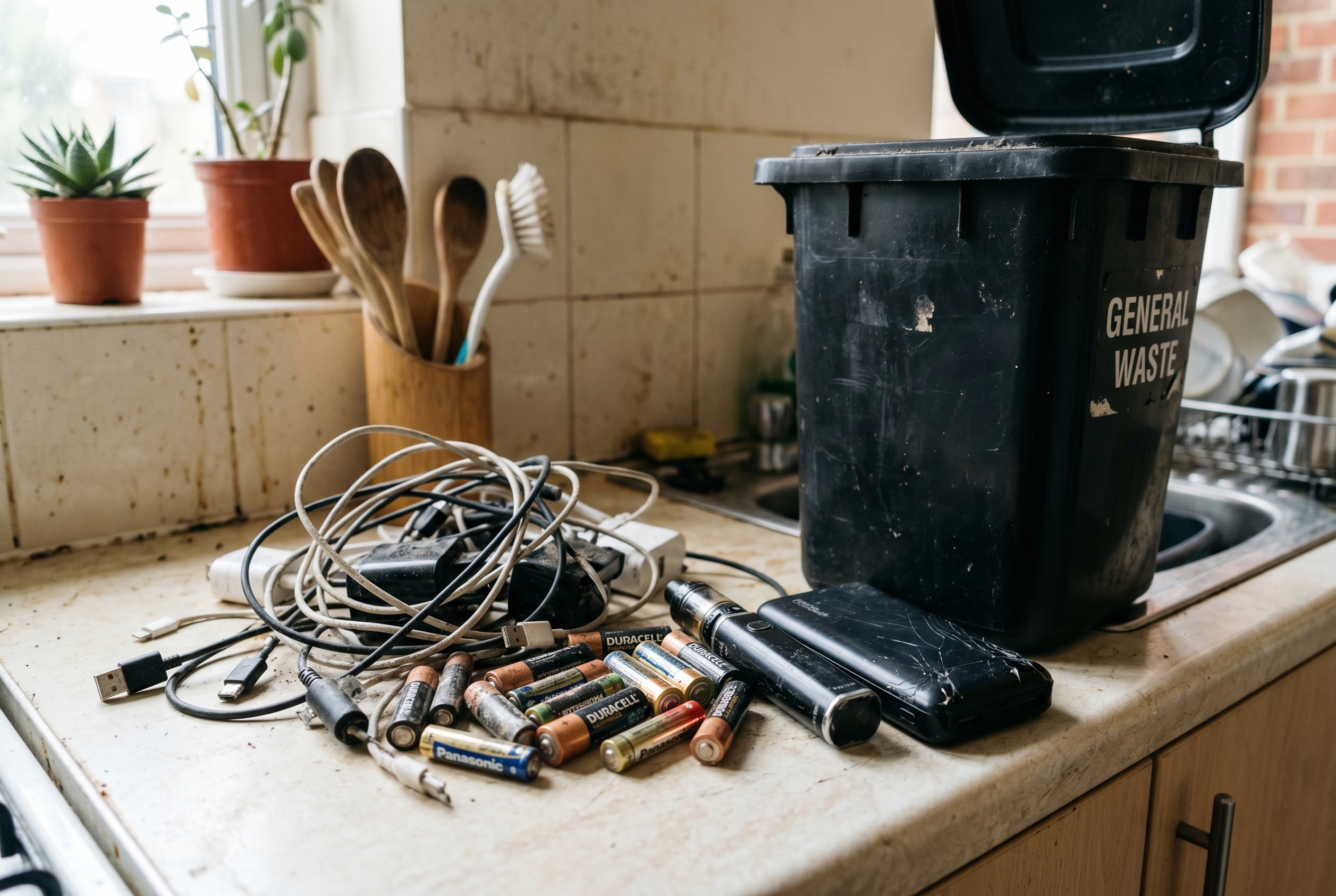
Hey neighbours! It might seem like a tiny thing chucking an old phone charger in the kitchen bin, dropping a used vape in the rubbish, or leaving a dead battery in the communal bin store. But honestly, these everyday habits are actually causing a growing number of serious fires all over the UK. And sadly, many of these fires are happening in the very homes we manage right here in Croydon.
Here at Gateway Property Hub, we really believe that being a good agency is about more than just finding lovely tenants and sorting out repairs. It's about helping everyone who lives and invests in our local properties stay safe. So, whether you're renting a flat in Thornton Heath or you're a landlord with a few properties in Purley, we wanted to share some friendly advice.
Why Electricals, Batteries and Vapes Are a Genuine Fire Hazard
Let's get into the nitty-gritty, but we'll keep it simple, promise!
The Problem with Lithium-Ion Batteries
You know those little powerhouses in most of our gadgets smartphones, laptops, power tools, e-cigarettes, and those popular disposable vapes? They're called lithium-ion batteries. They're super efficient, but they can be a real risk if they get damaged, punctured, squashed, or exposed to heat. This can kick off something called thermal runaway.
Basically, thermal runaway is like a domino effect inside the battery. Heat causes chemical reactions, which create more heat, which causes more reactions, and before you know it, the battery can catch fire or even explode. Once it starts, it's incredibly hard to stop.
And here's why our bins and bin stores make this whole situation much trickier:
Getting squashed and poked – When a battery-filled item gets crushed under other rubbish, the battery casing can split or get pierced, setting off that chain reaction.
Trapped heat – Bin stores, especially if they're enclosed, can get pretty warm during the summer, which isn't great for battery stability.
Right next to flammable stuff – Rubbish bags are, by their very nature, full of things that can easily catch fire.
Fires can start later – A battery can start its thermal runaway process hours after being thrown away. This means a fire could start in the middle of the night without any warning.
The London Fire Brigade has been talking a lot about how fires caused by lithium-ion batteries in waste are one of the fastest-growing types of incidents in the city. And as one of London's busiest boroughs, Croydon definitely isn't immune to this risk.
What About Loose Batteries?
The regular AA, AAA, and 9V batteries we use in everyday items are a bit less volatile than lithium-ion ones, but they're still not safe to just toss in the bin. If the little metal ends on loose batteries touch metal objects like foil, other batteries, or even paperclips – they can short-circuit. This can generate enough heat to start a fire. A 9V battery is particularly tricky because both its terminals are on the same end, making it prone to this in a messy bin bag.
Why Vapes Are a Particular Concern
Disposable vapes have become really popular lately, and with that popularity has come a noticeable increase in bin fires. Each disposable vape contains:
A lithium-ion battery (often still holding a charge when thrown away)
Leftover e-liquid, which is flammable
A heating coil that can stay warm
When these get crushed in a bin lorry or sit in a warm bin store, these components can combine to create a real fire risk. We've heard about bin lorry fires caused by vapes, and some of those have led to significant damage and road closures.
What Tenants Should Do Instead
The great news is that getting rid of these items safely is much easier than you might think. It just takes a little tweak to our habits.
Recycling Points for Small Electricals and Batteries
Batteries should never go in your regular household bin. Instead, here's what we can do:
Most supermarkets have special collection bins for batteries, usually near the entrance or customer service desk. You'll find these at stores like Tesco, Sainsbury's, and Lidl all around Croydon.
Our very own Croydon Council's Household Reuse and Recycling Centre at Purley Way is fantastic – they accept batteries and small electricals for free.
Lots of pharmacies and electronics shops (like Curry's) also have collection points for old batteries.
Small electrical items (think old phones, chargers, kettles, hair dryers, and similar bits and bobs) can be taken to:
The Croydon Household Reuse and Recycling Centre on Purley Way – it's there for all Croydon residents.
In-store take-back schemes – shops that sell electrical goods are legally required to take back old ones for recycling. You don't even need to have bought a new item from them.
Community reuse groups – if an item still works, why not donate it to a local charity shop or list it on a community sharing platform? Someone else might love it!
Disposing of Vapes Safely
Vapes – whether they're disposable or rechargeable should absolutely never go in your household or recycling bin. Here are some better options:
Vape shop take-back – Loads of vape shops are now offering to take back old devices for safe disposal. It's always worth asking when you're next in one.
Electrical recycling points – Vapes are considered small electrical items (WEEE – Waste Electrical and Electronic Equipment), so they can be taken to the Purley Way recycling centre along with other electronics.
Special collection bins – Some councils and shops are setting up specific collection points just for vapes. It's a good idea to check the Croydon Council website for the latest local options.
A Simple Rule to Remember
If it has a plug, a battery, or charges via USB it doesn't belong in your bin.
If we all try to stick to that simple rule, we'll be disposing of things safely most of the time.
What Landlords Can Do to Protect Their Properties
For us landlords, the risks here aren't just about safety they can also affect insurance claims, property damage, and our legal duty of care to our tenants. A fire in a bin store for a block of flats can spread incredibly quickly, especially if the store is attached to or enclosed within the building.
Assess Your Bin Store Setup
Let's take a fresh look at how we store bins, keeping fire safety front of mind:
Is the bin store enclosed or right next to the building? If so, a fire there is a direct risk to the property and everyone living in it.
Is there enough airflow? Poor ventilation can trap heat, making things worse.
Are the bins made from fire-resistant materials, or are they just standard plastic? Metal or fire-retardant bins can really help slow down the spread of a fire.
Is there clear signage telling people what should and shouldn't go in the bins?
Practical Steps for Landlords
Put up clear signs in bin stores and communal areas. We need to let everyone know that batteries, electricals, and vapes shouldn't go in the bins and point them towards the local disposal options.
Pop some bin safety guidance in your tenancy welcome pack or move-in info. Even a short paragraph can make a real difference in getting the message across.
Check your buildings insurance policy. It's worth seeing if it covers fires that start in bin stores and if there are any exclusions related to negligence or improper waste disposal.
Consider fire-resistant bin enclosures if your current setup is a wooden structure or a plastic bin store right up against the building.