Winter Property Maintenance Checklist for Landlords
Winter Property Maintenance Checklist for Landlords
Autumn preparation gets a lot of attention, and rightly so, but it only covers half the problem. Getting a property ready before winter arrives is one thing. Actually managing it once the cold weather has properly set in, when pipes are at genuine risk of freezing, properties sit empty over the festive period, and a single missed check can turn into a burst pipe flooding two flats below, is a different job entirely.
This is the checklist I actually use once winter has arrived, not before it. If you own or manage rental property across Croydon or the wider South London area, this is what's worth staying on top of through December, January, and February, when the risk is highest and the consequences of missing something are at their most expensive.
Why mid-winter needs its own checklist
A lot of landlords treat winter preparation as a single autumn task, ticked off once and then forgotten about until spring. The problem with that approach is that the most serious risks, frozen pipes, empty properties over Christmas, ice on communal walkways, don't really exist until the coldest weeks actually arrive, usually well after the fixing-things-in-advance window has closed. Preparation reduces risk. It doesn't eliminate the need to keep actively managing the property through the season itself.
Frozen and burst pipes: the single biggest winter risk
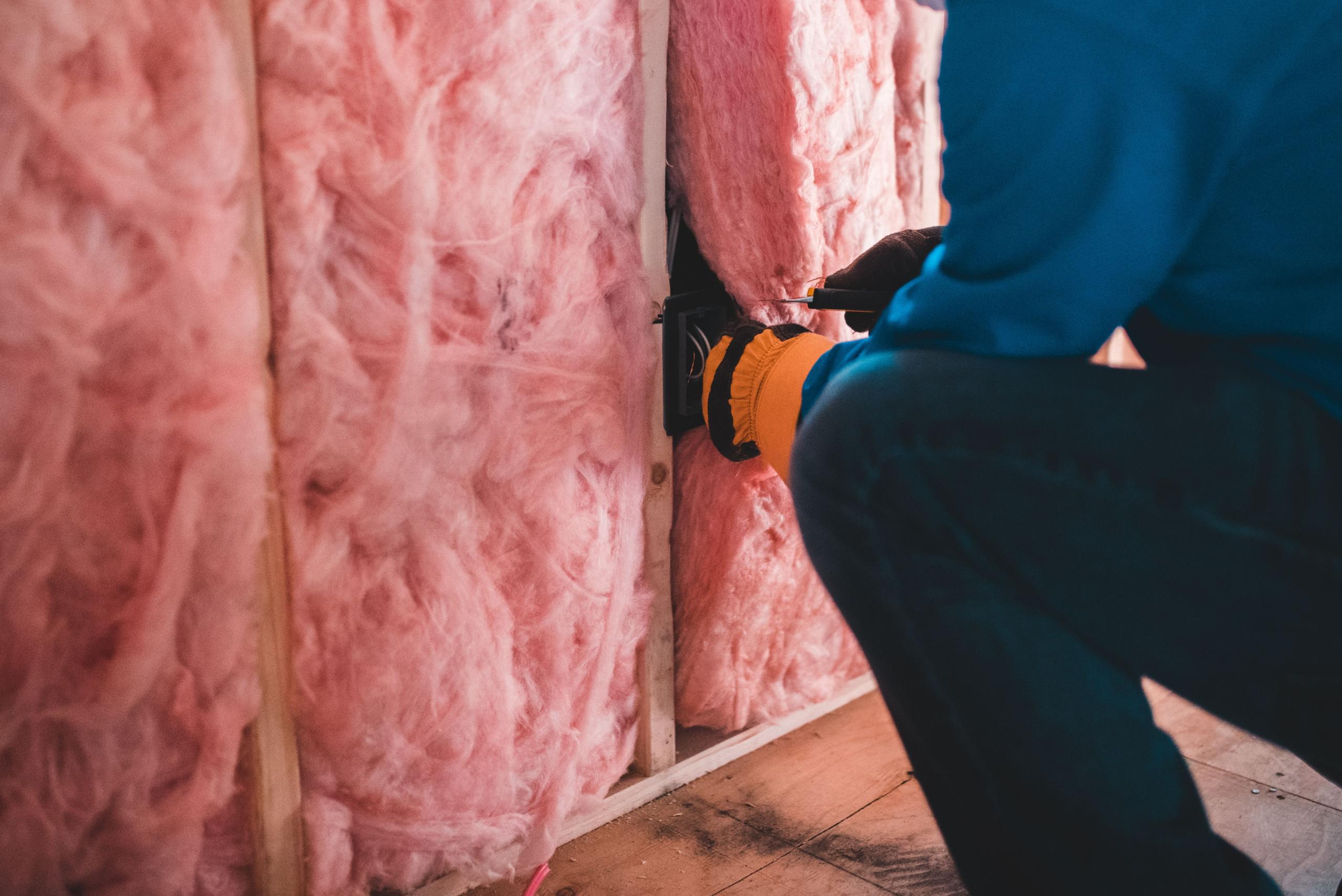
This is the one that causes the most expensive damage, most often, and it's almost entirely preventable with a bit of ongoing attention. Pipes in unheated spaces, lofts, garages, outbuildings, and any pipework running along external walls, are at genuine risk of freezing once temperatures drop below zero for a sustained period. A frozen pipe on its own is an inconvenience. A frozen pipe that then thaws and splits, often while nobody's watching, is a genuine flood, sometimes affecting not just the property it's in but everything below it too.
Make sure any exposed pipework is properly lagged before the coldest weather hits, and if a property has a history of cold spots in the loft or anywhere pipes run through unheated areas, this is worth checking rather than assuming last year's lagging is still doing its job. During any genuinely cold snap, a small amount of continuous heating, even just enough to keep the property a few degrees above freezing, is far cheaper than the cost of a burst pipe and the water damage that follows. If a property is going to be left empty for any length of time during winter, this becomes even more important, which brings us to the next point.
Void and empty properties need active winter management
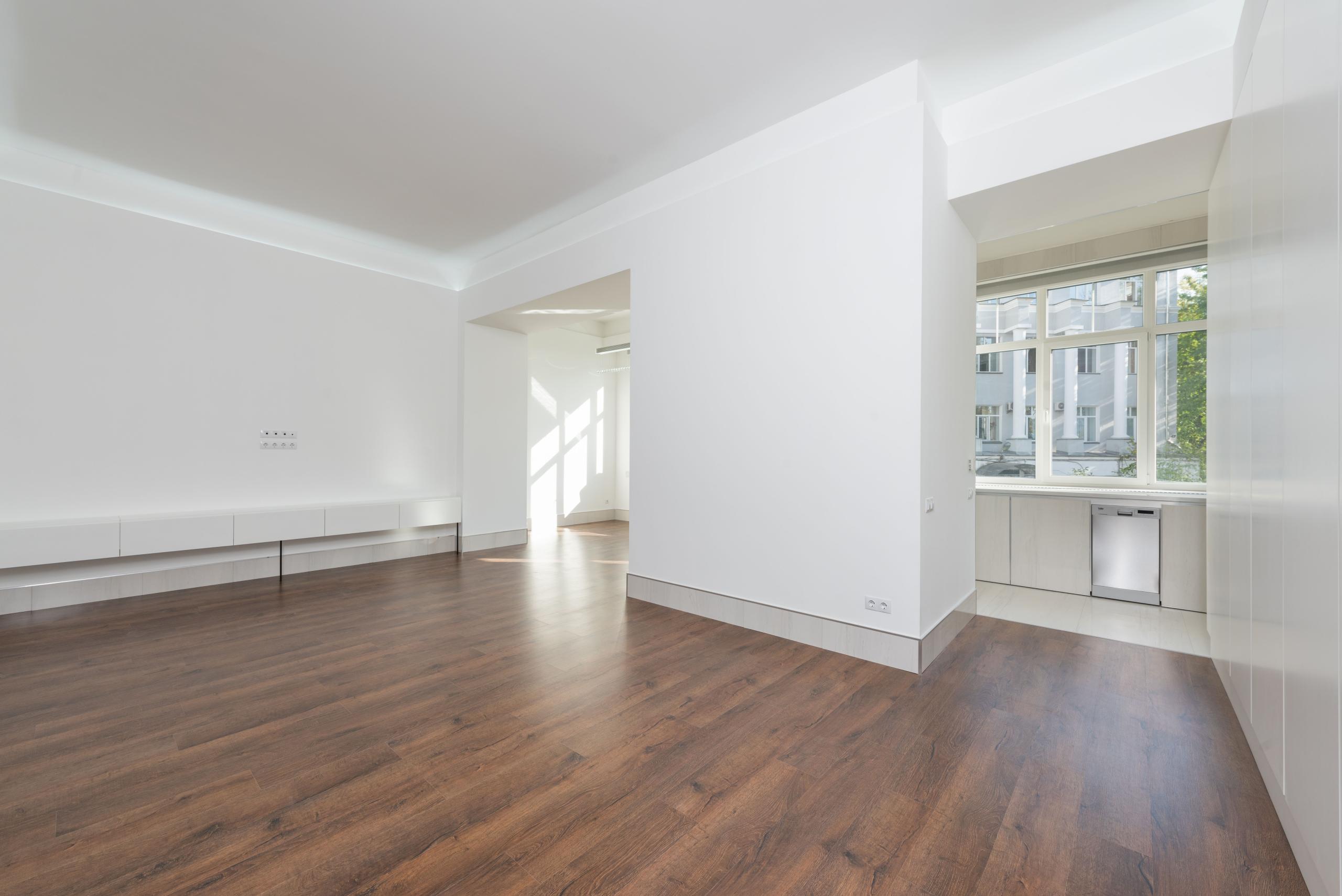
An empty property in winter carries risk that an occupied one doesn't, simply because there's nobody there to notice a problem developing. A dripping tap, a slowly failing seal, or the first signs of a frozen pipe would normally be caught by a tenant living there day to day. In an empty property, none of that happens until someone actually checks.
If you have a property standing empty over winter, whether between tenancies or otherwise, don't just lock up and leave it. Keep the heating on a low, consistent setting rather than switching it off entirely, since an unheated empty property in cold weather is exactly the scenario where a frozen and burst pipe goes undiscovered for days or weeks. Arrange for someone, yourself, an agent, or a trusted contact, to actually check the property in person periodically, not just assume it's fine because nothing's been reported. Check your insurance policy too, since many landlord insurance policies have specific conditions around unoccupied properties, sometimes requiring regular inspections or restricting cover after a certain number of consecutive empty days, and falling foul of these conditions without realising it is a genuinely costly mistake to make.
Know where the stopcock is, and make sure your tenants do too
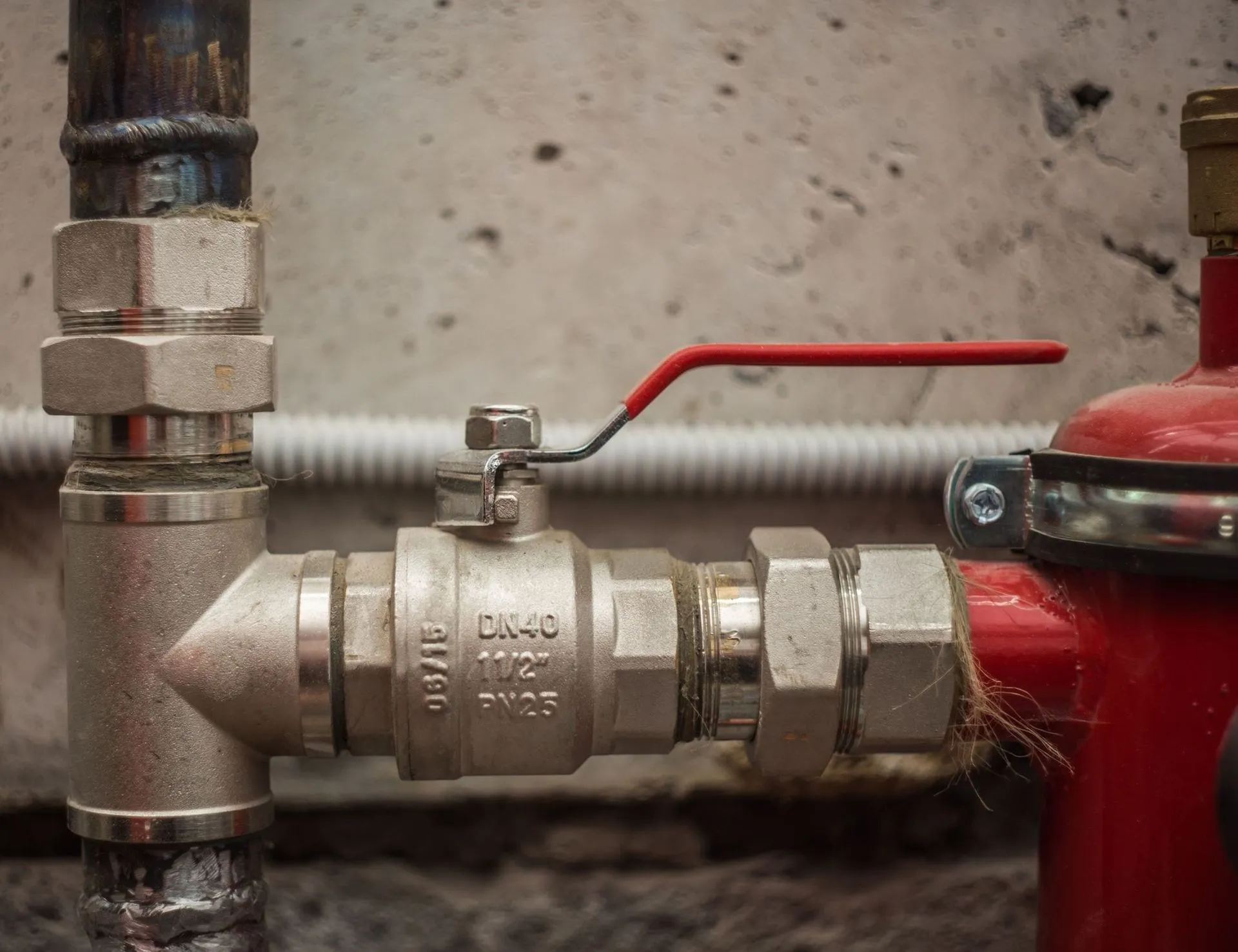
This sounds basic, but it's the single most useful piece of information in a burst pipe emergency, and it's surprising how often nobody, tenant or landlord, actually knows where it is when it matters. If water starts coming from somewhere it shouldn't, turning off the stopcock immediately limits the damage enormously compared to leaving it running while someone tries to find an emergency plumber.
Make sure tenants know where the stopcock is located and how to use it, ideally as part of a general welcome pack or move-in information rather than something they only find out about in the middle of an actual emergency. If a property has multiple stopcocks, for instance in a converted building with several flats, this is worth clarifying precisely rather than leaving it ambiguous.
Prepare for a winter boiler breakdown, not just prevent one
Even with proper servicing, boilers do occasionally fail, and they have an unhelpful tendency to do it during the coldest weather, when they're working hardest. Beyond making sure the annual service and gas safety check are up to date, it's worth thinking through what actually happens if a boiler fails on a Saturday night in the middle of a cold snap.
Have a reliable emergency contact, a plumber or heating engineer who can realistically attend quickly, not just a name in an old contact list who may or may not still operate in the area or answer out of hours. Make sure tenants know exactly how to report an emergency and who to contact, including outside normal hours, since a boiler failure that isn't reported until Monday morning because nobody knew who to call is a genuinely miserable weekend for a tenant, and entirely avoidable with clear communication set up in advance.
Ice, snow, and safety in communal areas
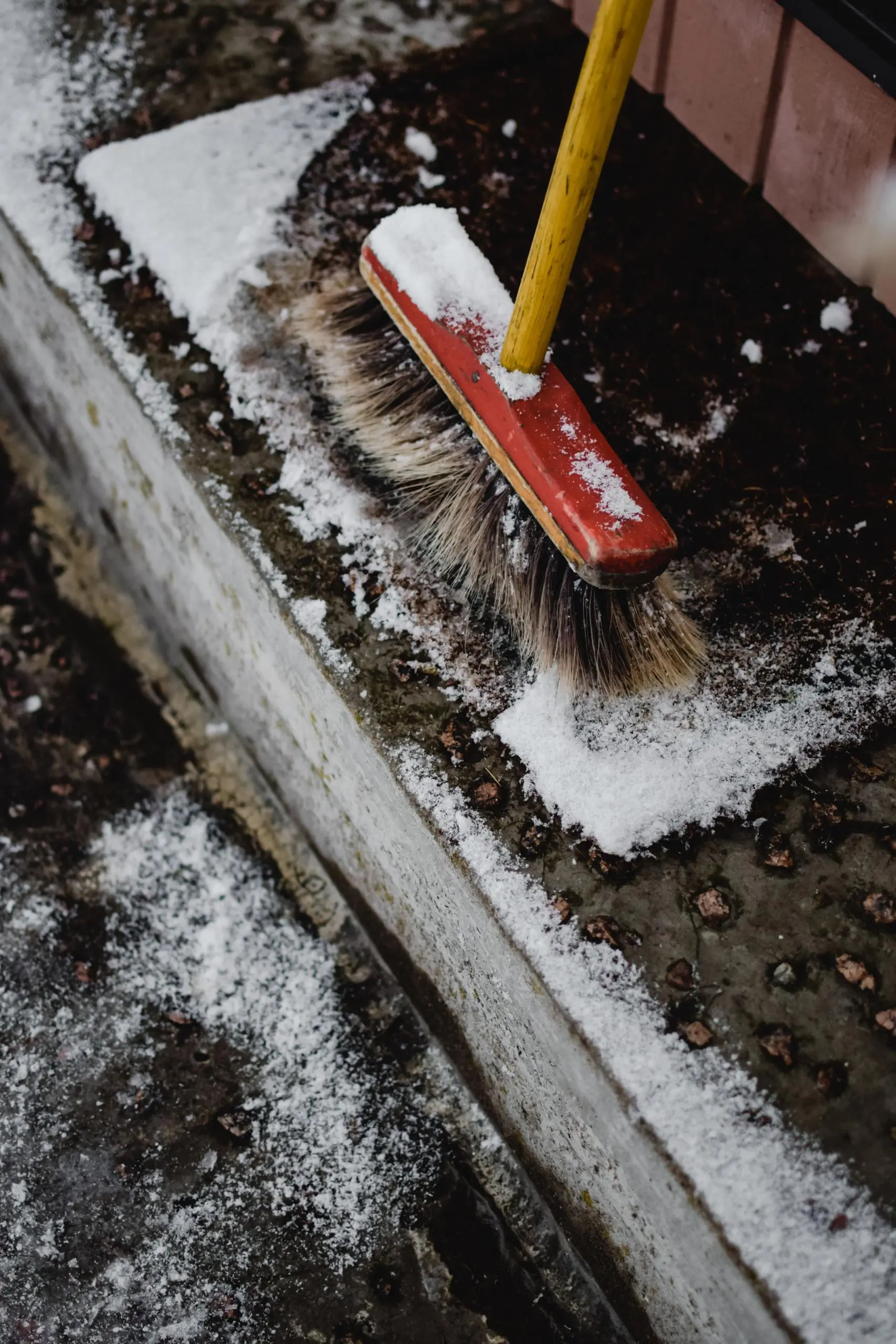
If you manage a block, a converted property with shared access, or any property with communal paths, steps, or a car park, winter brings a safety responsibility that goes beyond the individual units themselves. Ice on a communal walkway or steps is a genuine injury risk, and as the person responsible for maintaining that shared space, it's worth having a clear, sensible plan for dealing with it rather than reacting after the fact.
Grit or salt should be available and used on communal steps and paths during icy conditions, and this is worth arranging in advance rather than trying to source it during the first cold snap when every hardware shop nearby has sold out. If a block has cleaning or maintenance staff, make sure clearing ice and applying grit during freezing conditions is explicitly part of what they're expected to check for, not left as an assumption that someone will notice and deal with it. Communal lighting matters here too, since darker evenings combined with icy surfaces is a worse combination than either factor alone, so this is a sensible time to double check external lighting around entrances, steps, and parking areas is actually working properly.
Keep an eye on drainage and guttering through the season, not just before it
Even if gutters were cleared properly in autumn, winter storms and additional leaf fall can still cause fresh blockages partway through the season, particularly in properties near mature trees. A blocked gutter in the middle of winter, with heavy rain and freezing temperatures both in play, causes damage faster than the same blockage would in milder weather, since water that can't drain properly is also more likely to freeze, expand, and cause additional damage to guttering and roofing. A mid-winter check, even a quick visual one from ground level after a storm, is worth doing rather than assuming autumn's work is still holding up months later.
The Christmas and New Year period needs specific thought
This stretch of the calendar deserves its own consideration, because it combines several risk factors at once: colder weather than most of the rest of winter, tenants travelling and leaving properties empty over the holidays, and, practically, fewer contractors and tradespeople available if something does go wrong. A boiler that fails on the 27th of December is a considerably bigger problem than the same failure on a random Tuesday in November, simply because getting someone out to fix it is harder.
If you know tenants are travelling over the holiday period, it's worth a quick, friendly check-in beforehand, confirming they know how to report an emergency and reminding them not to turn heating off completely if they're away for an extended period, for the same frozen pipe reasons covered earlier. If you manage empty or between-tenancy properties over this period, this is exactly when the void property advice above matters most, since a problem that develops over a two week gap with nobody checking in can become considerably worse than the same issue caught within a day or two.
Communicating with tenants through the coldest months
A lot of winter property management comes down to making sure tenants know what to do and who to contact before they actually need that information, rather than trying to explain it in the middle of a stressful situation. A short message at the start of winter covering the basics, how to report an emergency, where the stopcock is, what to do if heating fails, reasonable expectations around response times, heads off a lot of the confusion and frustration that otherwise surfaces exactly when everyone's least equipped to deal with it calmly.
This is also a good moment to actively invite tenants to report anything that seems off, a slow drip, an odd noise from the boiler, a cold spot that wasn't there before, rather than waiting for it to become obvious. Small issues reported early in winter are considerably easier and cheaper to deal with than the same issues discovered later once they've had weeks of cold weather to get worse.
Don't let winter heating habits create a different problem
There's a slightly counter-intuitive risk worth flagging here. In the effort to prevent frozen pipes, some landlords and tenants end up sealing a property up tightly and running heating constantly without much thought to ventilation, which trades one winter risk for another, condensation and mould building up because moist air has nowhere to escape. The advice to keep a property gently heated through cold snaps isn't the same as advice to seal it airtight. Trickle vents should stay open, and any tenant still living in the property should keep following normal ventilation habits, brief bursts of fresh air, extractor fans used properly, even during the coldest stretches. The two goals, preventing frozen pipes and preventing damp, aren't in conflict, but they do both need active attention rather than assuming one problem being handled means the other is automatically fine too.
HMOs and shared properties need a slightly closer eye
If you let a property as a House in Multiple Occupation, winter brings a few extra considerations worth thinking through specifically. Communal kitchens and bathrooms tend to see heavier use and more condensation-related moisture through winter than a single-family let, simply because more people are cooking, showering, and drying clothes in shared spaces. Shared heating systems, where the property has one system serving multiple households rather than individual controls, can also create disputes over comfort and cost if usage patterns vary a lot between occupants, and it's worth having a clear, fair approach agreed in advance rather than fielding complaints reactively once the cold weather has already arrived.
Fire safety checks, already a heightened priority in HMOs generally, are worth an extra look specifically around winter, since portable heaters are more likely to appear in individual rooms if communal heating doesn't feel adequate to a particular tenant, and this is exactly the kind of informal workaround worth catching and addressing properly rather than discovering after the fact.
Getting your insurance genuinely winter-ready
It's worth actually reading the relevant sections of your landlord insurance policy before winter's coldest weeks arrive, rather than discovering the details only after something's gone wrong. Beyond the unoccupied property conditions already mentioned, check what your policy actually requires in terms of maintaining minimum heating levels during cold weather, since some policies specify a minimum temperature that must be maintained to keep escape-of-water cover valid, and failing to meet this technicality can be grounds for a claim to be reduced or refused even where the underlying loss was genuine and the pipe lagging was reasonable.
It's also worth confirming what excess applies to escape-of-water claims specifically, since this is one of the most common categories of winter claim and the actual cost of a policy is only meaningful once you know what you'd genuinely be liable for if the worst happened. If you have several properties on different policies or providers, this is worth doing for each one individually rather than assuming they're all written the same way.
Keeping a simple record as you go
For anyone managing more than a property or two, it's worth keeping a basic running record through winter of what's been checked and when, rather than relying on memory. This doesn't need to be complicated, a simple note of when pipes were checked, when a void property was last inspected in person, and when communal areas were last gritted is enough to demonstrate, if it's ever needed, that reasonable and active steps were being taken throughout the season rather than assuming autumn preparation alone was sufficient. This matters practically if a dispute or an insurance claim ever arises, and it also just makes the whole process easier to stay on top of across several properties rather than trying to hold it all in your head.
A practical mid-winter checklist
Confirm exposed pipework is properly lagged, particularly in lofts and unheated spaces
Keep any empty or void properties heated to a low, consistent temperature and arrange periodic in-person checks
Confirm tenants know where the stopcock is and how to use it
Have a reliable, responsive emergency contact for heating and plumbing failures, including out of hours
Check communal steps, paths, and car parks have a grit or salt plan in place before ice becomes a problem
Confirm communal lighting around entrances and walkways is fully working
Do a mid-winter visual check of guttering and drainage after any significant storm
Check in with tenants before the Christmas and New Year period specifically
Review your insurance policy's conditions around unoccupied properties if anything will be standing empty
Why this matters more across a portfolio
Everything above is manageable for a single property with a bit of attention. Across a portfolio, or across a block with multiple units and shared responsibilities, it becomes a genuine coordination task, tracking which properties are occupied, which are empty and need checking, which communal areas need gritting, and making sure emergency contacts are actually reachable when something goes wrong at ten o'clock on a Sunday night in January.
At Gateway Property Hub, this is exactly the kind of ongoing, active winter management we build into how we look after properties and blocks across Croydon and the surrounding areas, not something we assume takes care of itself once autumn preparation is done. If you'd like a hand making sure your properties are properly looked after through the coldest months, not just before they arrive, get in touch and we'll talk through what that would look like for you.